

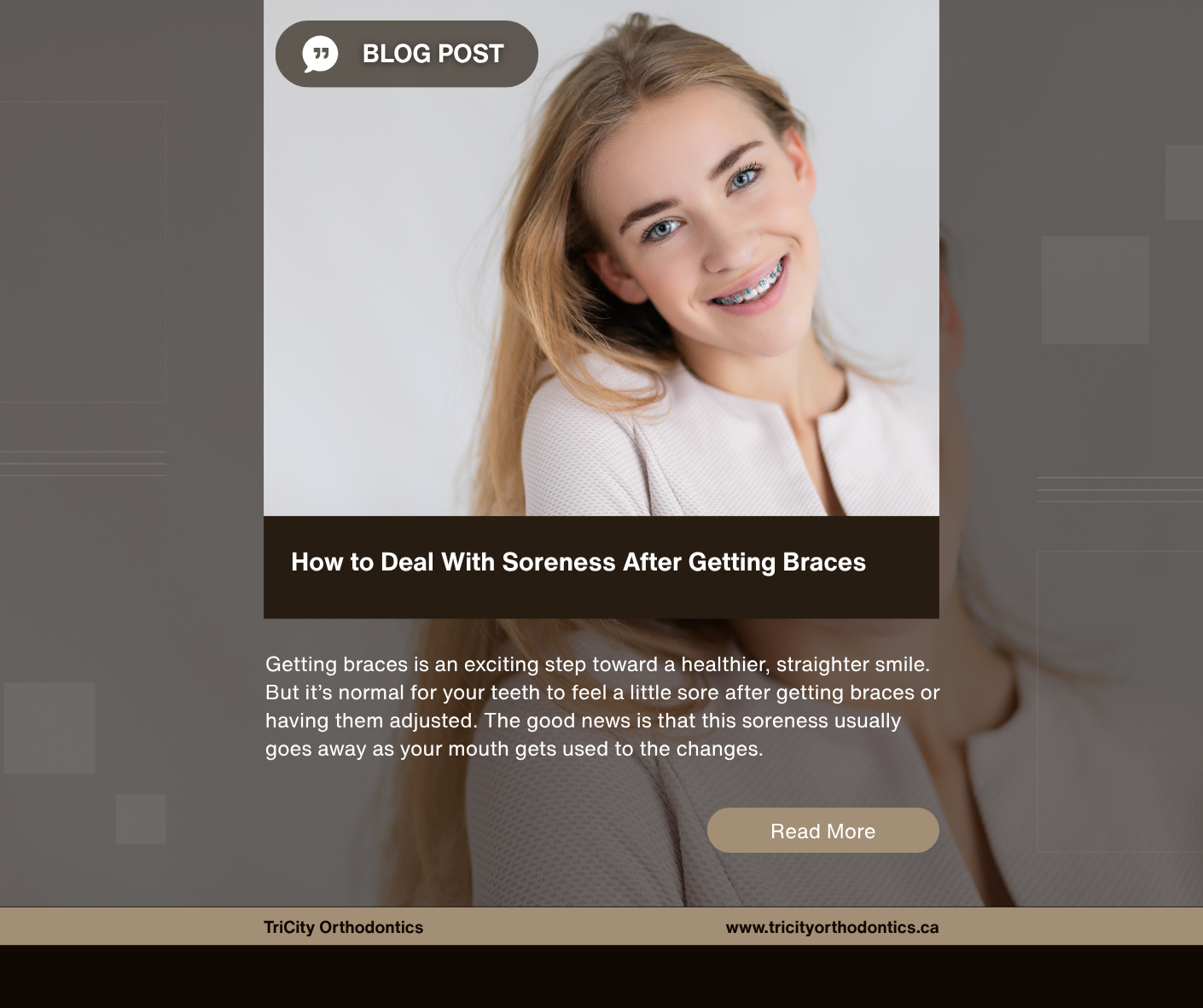
How to Deal With Soreness After Getting Braces
Getting braces is an exciting step toward a healthier, straighter smile. But it’s normal for your teeth to feel a little sore after getting braces or having them adjusted.
The good news is that this soreness usually goes away as your mouth gets used to the changes.
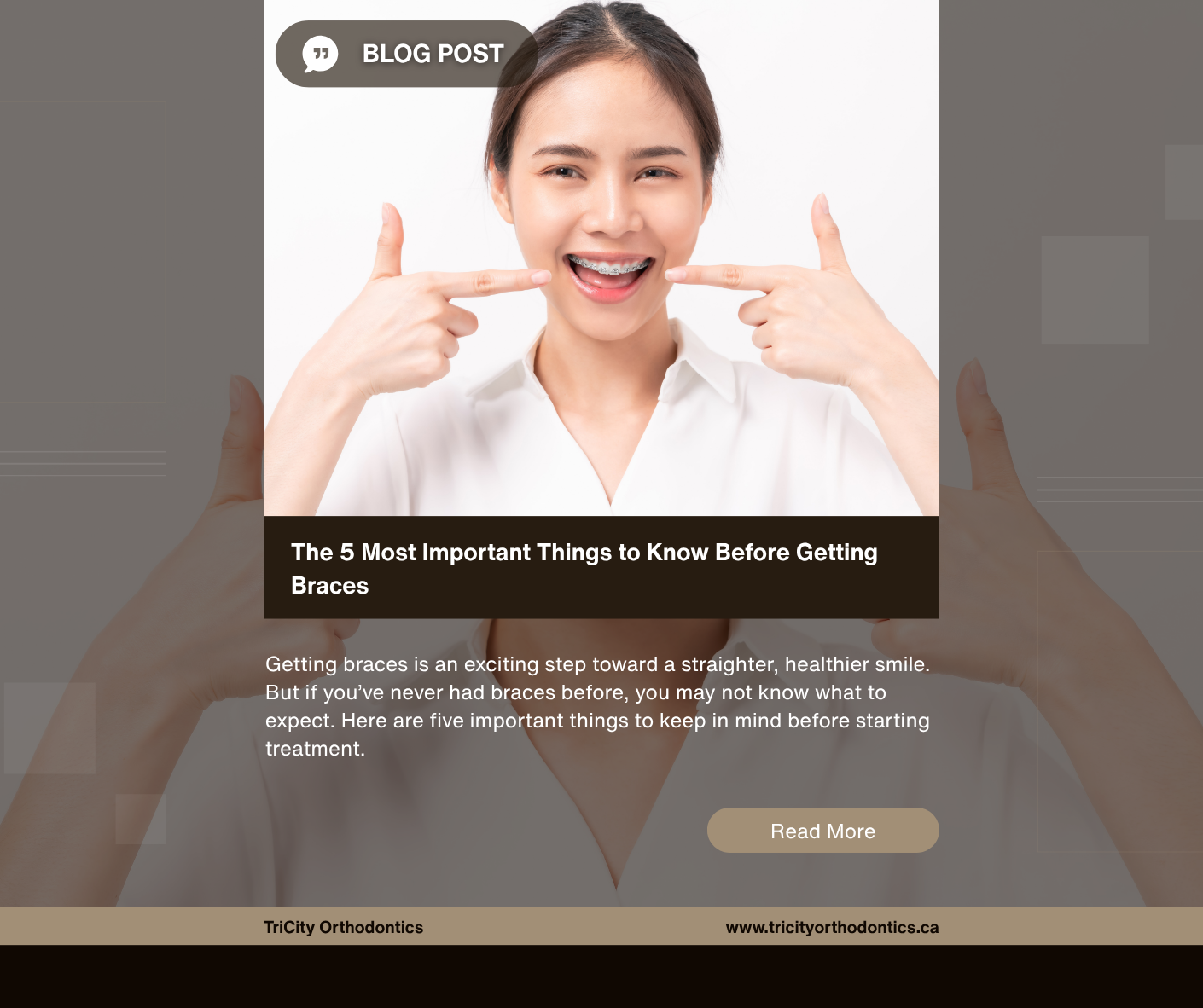
The 5 Most Important Things to Know Before Getting Braces
Getting braces is an exciting step toward a straighter, healthier smile.
But if you’ve never had braces before, you may not know what to expect. Here are five important things to keep in mind before starting treatment.
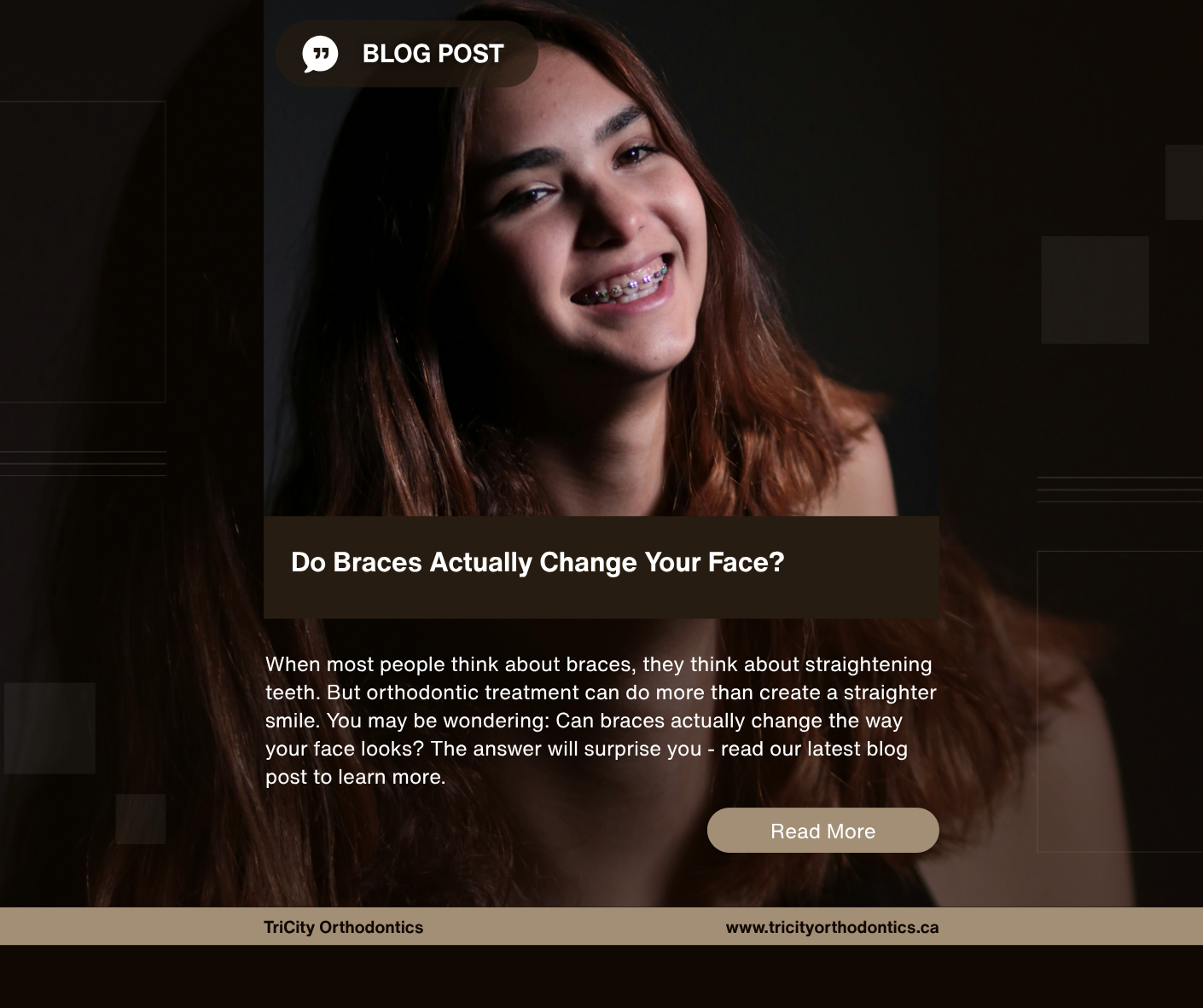
Do Braces Actually Change Your Face?
When most people think about braces, they think about straightening teeth.
But orthodontic treatment can do more than create a straighter smile. You may be wondering: Can braces actually change the way your face looks? The answer may surprise you - read our latest blog post to learn more.
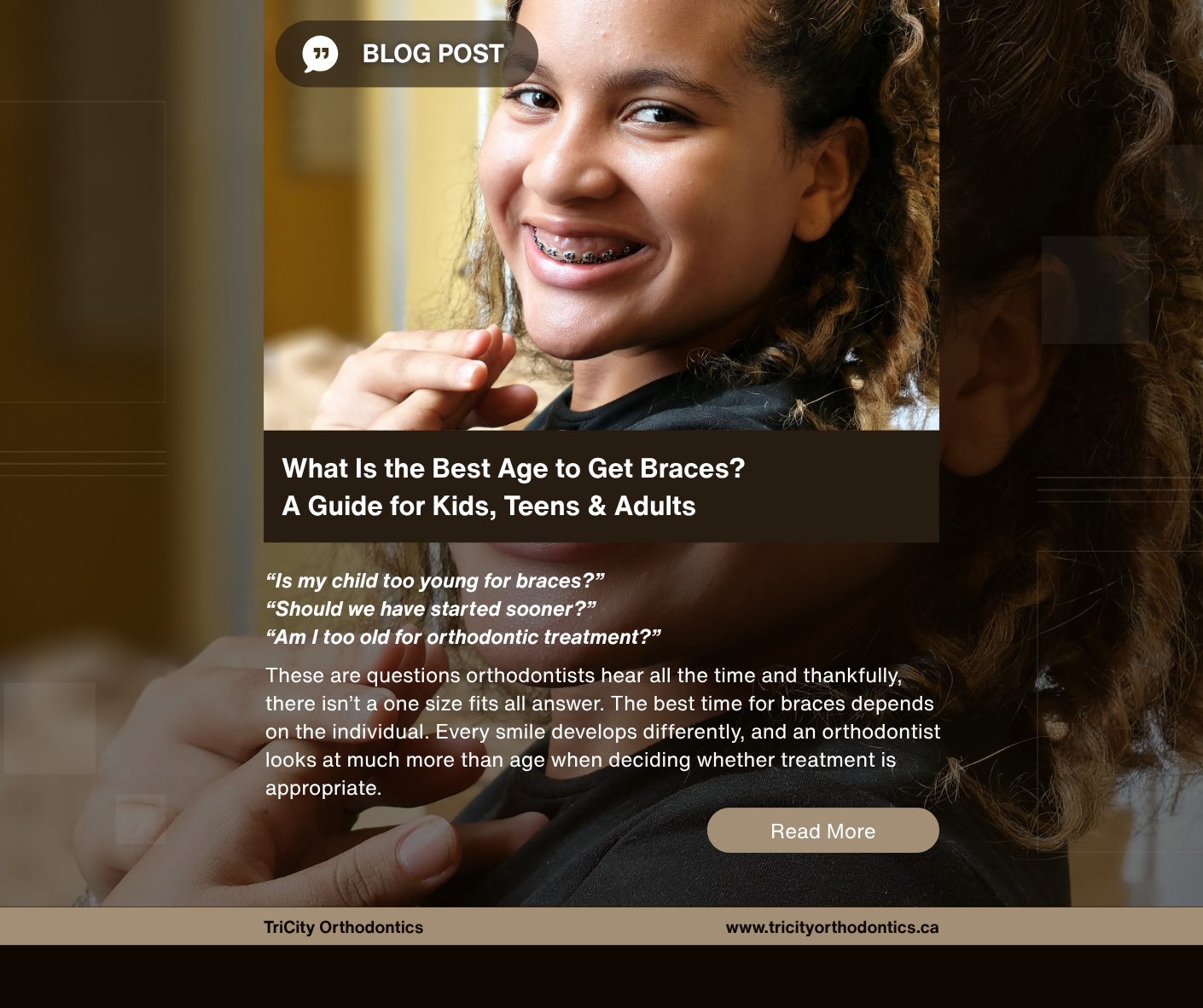
What Is the Best Age to Get Braces? A Guide for Kids, Teens & Adults
“Is my child too young for braces?”
“Should we have started sooner?”
“Am I too old for orthodontic treatment?”
These are questions orthodontists hear all the time and thankfully, there isn’t a one size fits all answer.
While certain ages are more common for orthodontic treatment, the best time for braces depends on the individual. Every smile develops differently, and an orthodontist looks at much more than age when deciding whether treatment is appropriate.
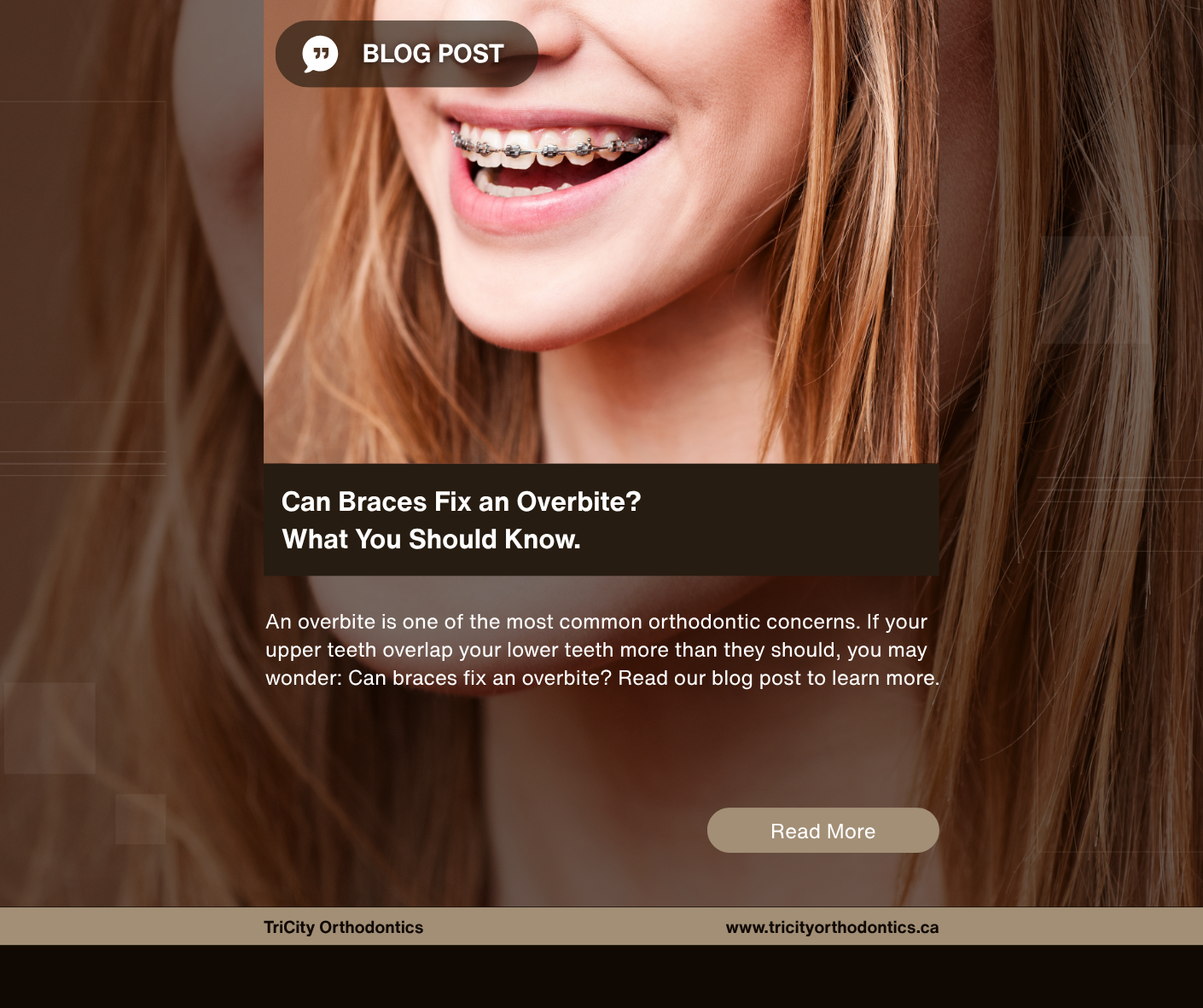
Can Braces Fix an Overbite? What You Should Know.
An overbite is one of the most common orthodontic concerns. If your upper teeth overlap your lower teeth more than they should, you may wonder: Can braces fix an overbite?
In many cases, the answer is yes. Braces can help improve the position of your teeth and, depending on the cause of the overbite, may be combined with other orthodontic treatments to improve your bite.
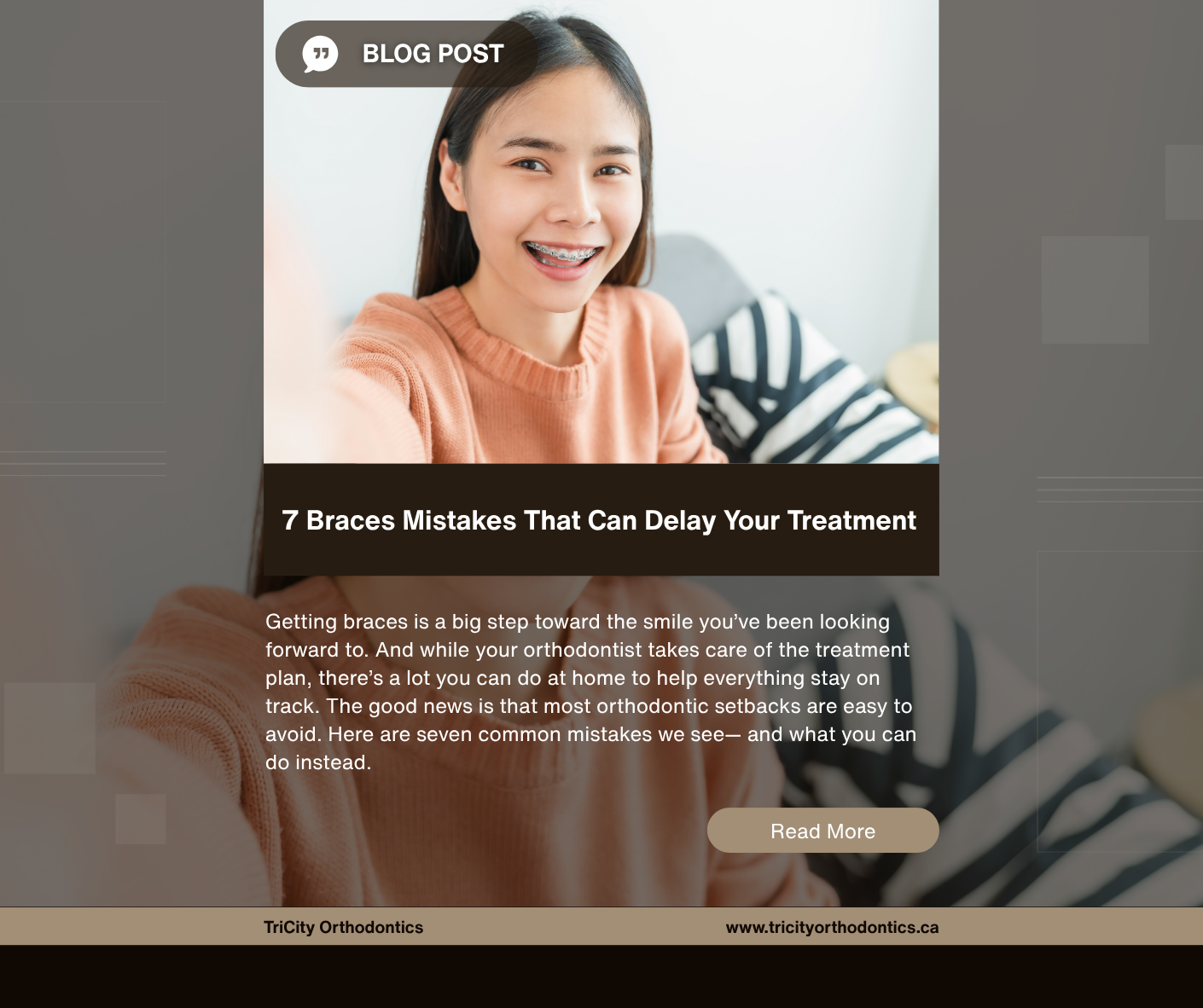
7 Braces Mistakes That Can Delay Your Treatment
Getting braces is a big step toward the smile you’ve been looking forward to. And while your orthodontist takes care of the treatment plan, there’s a lot you can do at home to help everything stay on track.
The good news is that most orthodontic setbacks are easy to avoid. Here are seven common mistakes we see—and what you can do instead.
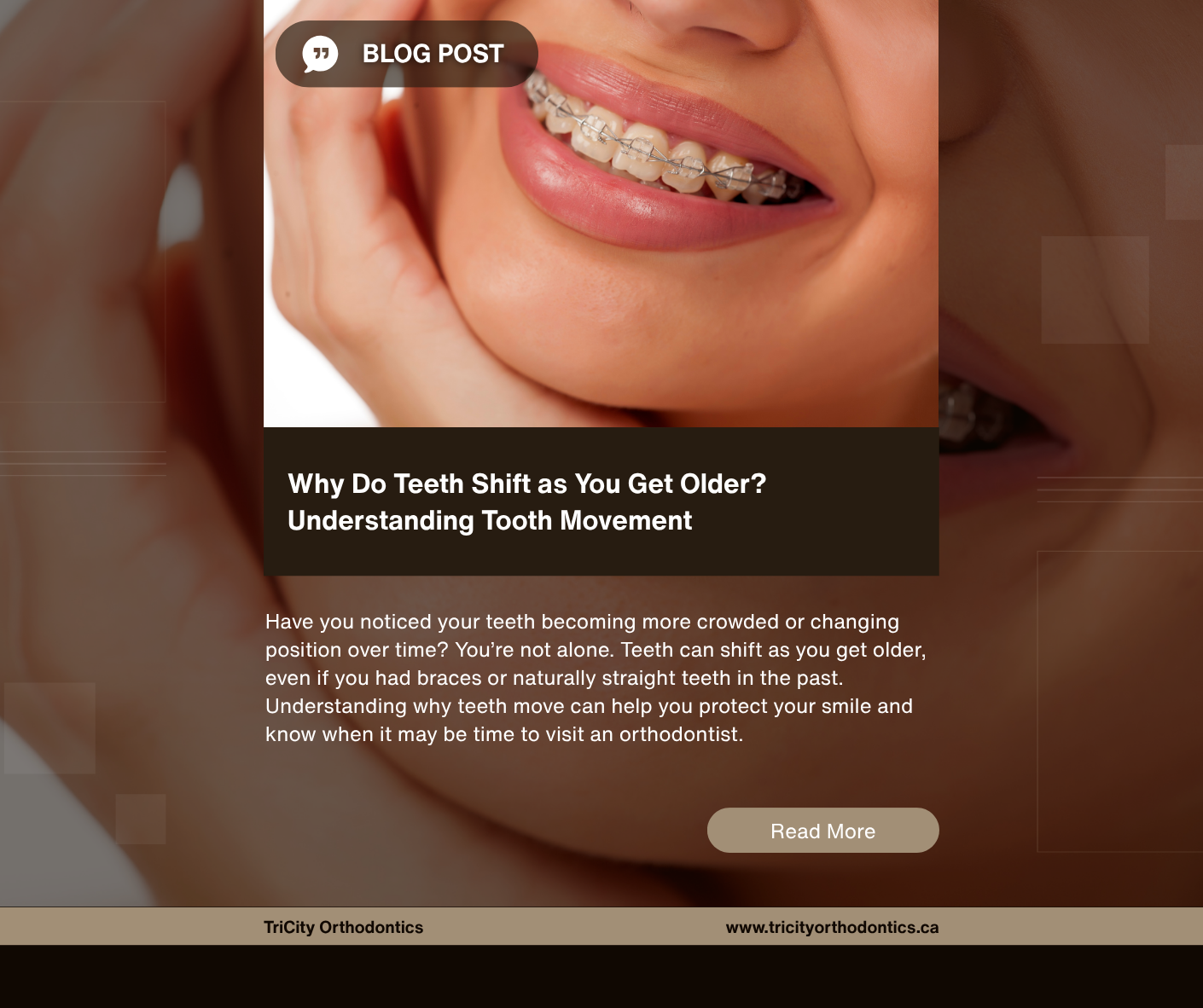
Why Do Teeth Shift as You Get Older? Understanding Tooth Movement
Have you noticed your teeth becoming more crowded or changing position over time? You’re not alone. Teeth can shift as you get older, even if you had braces or naturally straight teeth in the past. Understanding why teeth move can help you protect your smile and know when it may be time to visit an orthodontist.
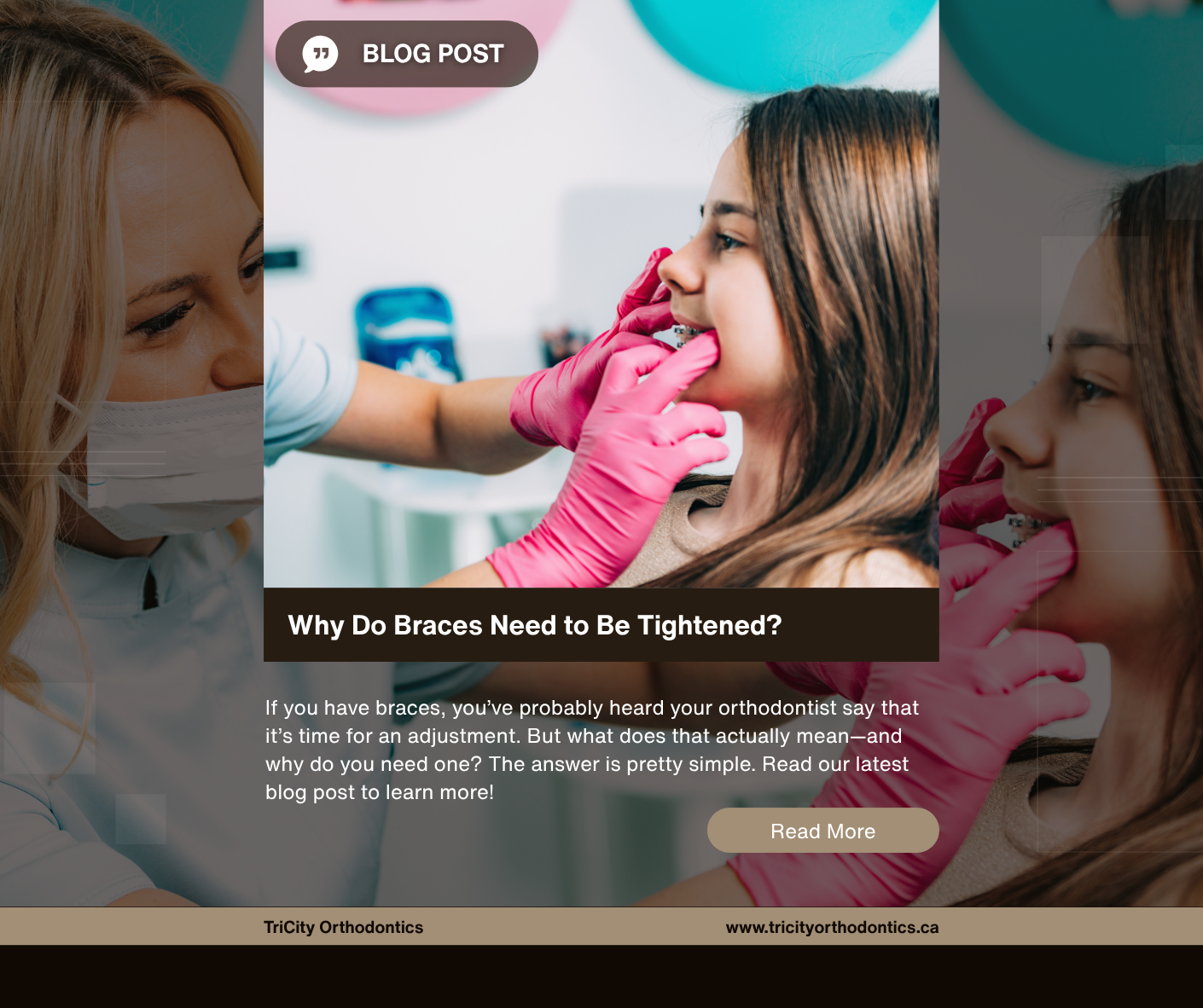
Why Do Braces Need to Be Tightened?
If you have braces, you’ve probably heard your orthodontist say that it’s time for an adjustment. But what does that actually mean—and why do you need one?
The answer is pretty simple: your teeth are constantly changing throughout treatment, so your braces need to change with them.
Do Braces Only Fix Crooked Teeth?: Understanding What Orthodontic Treatment Can Do.
When most people think about braces, they picture brackets and wires straightening crooked teeth. But braces can do much more than straighten your smile.
Orthodontic treatment can help improve how your teeth line up, how your bite comes together, and how your smile functions day to day.

Pitt Brackets: The Reason We Don't Do Braces the Old Way
If you have orthodontic treatment because of what you remember or have heard about braces, this is worth reading.
The common image of orthodontic treatment— bulky metal brackets, tight elastic ties, painful adjustments, and headgear— is outdated. While that picture was once accurate, technology has changed.
At TriCity Orthodontics, we use Pitt Brackets, a modern system that have built our practice around to provide a more comfortable experience.
