


Braces with Elastics.
Orthodontic treatment works through two things: consistent pressure and time. Braces align the teeth within each arch — but correcting the relationship between the upper and lower jaws often requires something more. That's where elastics come in.


What Are Orthodontic Elastics?
Elastics — also called rubber bands — are small bands that hook between your upper and lower brackets to apply extra force where braces alone can't. While braces align the teeth within each arch, elastics correct the relationship between the two — fixing overbites, underbites and bite alignment issues that wires can't address on their own.
The pattern your orthodontist prescribes is specific to your case. Follow it exactly — the configuration determines the direction of movement, and changing it changes the result.
Oral Hygiene During Treatment
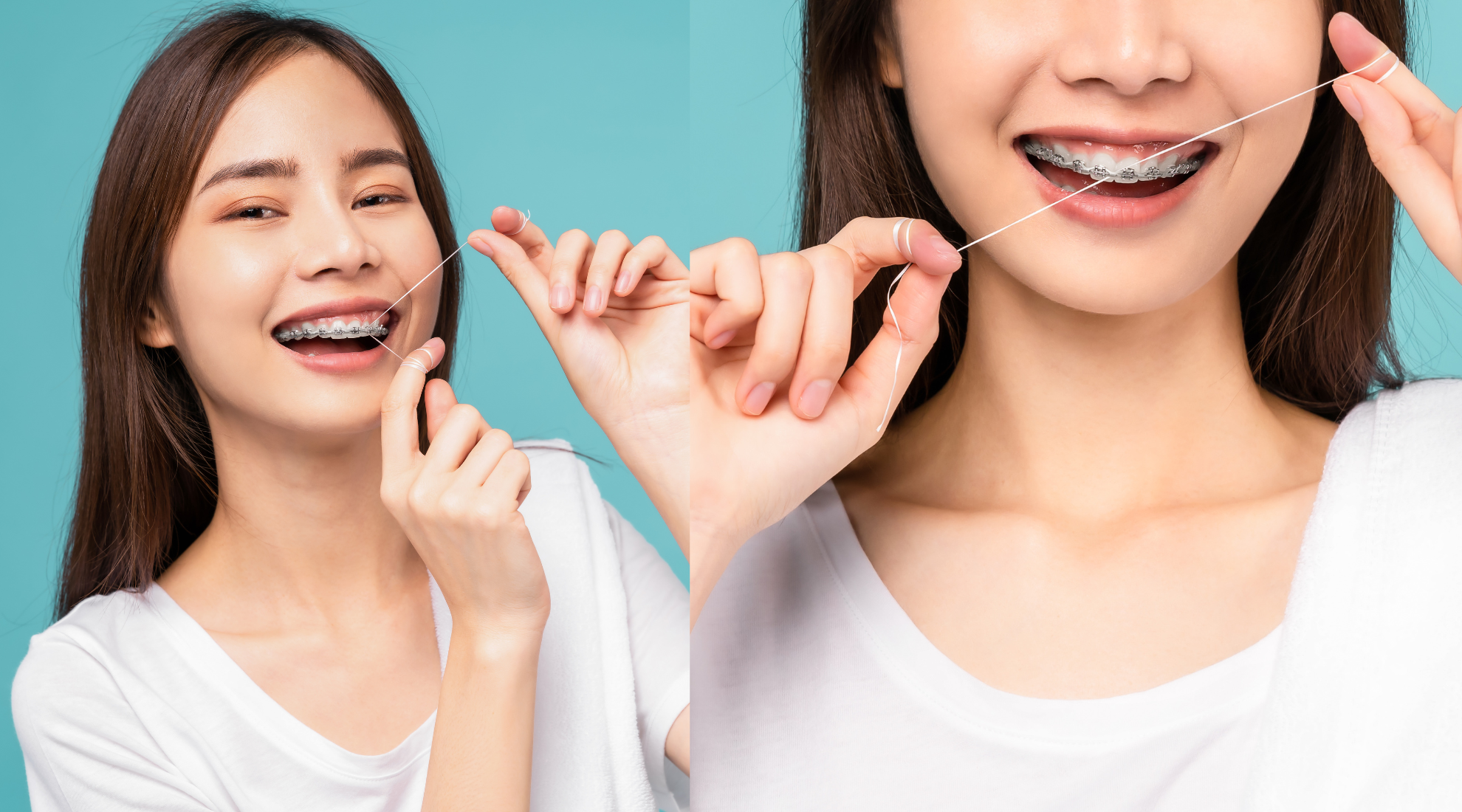
Maintaining excellent oral hygiene throughout orthodontic treatment is non-negotiable. Brackets and wires create additional surfaces for plaque to collect — and poor hygiene during treatment can result in decalcification, decay, and gum inflammation that affects the teeth long after braces are removed.
Brush thoroughly after every meal, angling the bristles both above and below the brackets to clean all surfaces. Flossing with braces requires a floss threader or orthodontic flosser to navigate under the wire — it takes slightly longer, but it matters. Your TriCity Orthodontics specialist will demonstrate the correct technique at your appointments and can recommend tools that make the process easier.
Continue seeing your family dentist for professional cleanings every three to four months during treatment. Regular hygiene appointments are an important complement to your orthodontic care. For detailed guidance, click below.
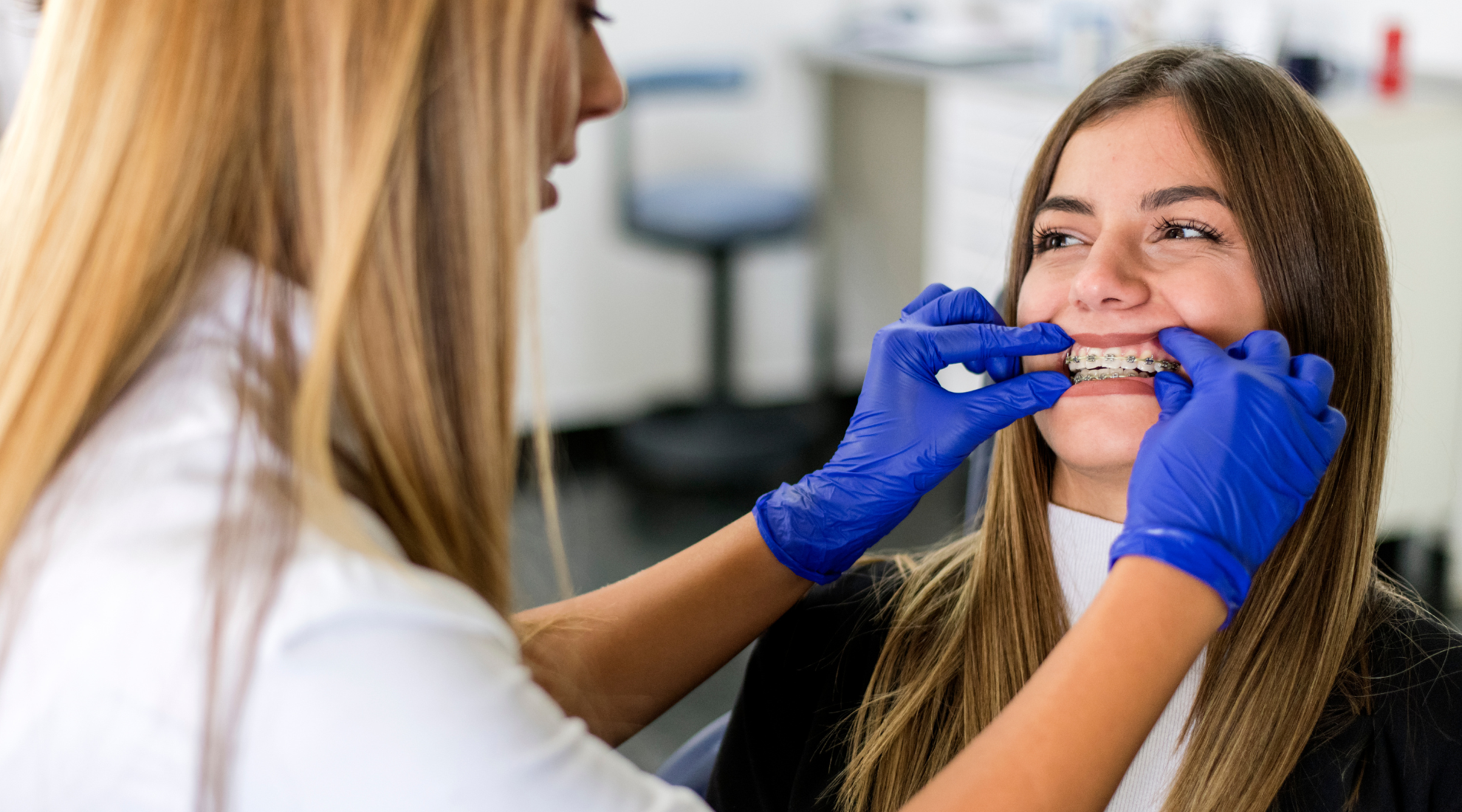
How to Wear Your Elastics
-
including while sleeping. Unless you've been told otherwise, elastics should be worn around the clock. Remove them only when eating and when brushing and flossing your teeth.
-
Elastics lose their elasticity over time and become less effective before they snap. Changing them on the schedule your orthodontist recommends — typically once or twice daily — ensures consistent pressure is maintained throughout.
-
Keep a small supply of elastics with you so that if one breaks during the day, you can replace it immediately rather than going hours without them. We'll always provide you with extras at your appointments.
-
If you forget to wear your elastics, simply resume your normal routine — wearing twice the number the following day doesn't compensate and can cause unnecessary discomfort.

When to Contact Us
Don't wait until your next scheduled appointment if any of the following occur:
Your elastics are breaking frequently
A hook has broken or come loose
A wire or bracket has come away from the tooth
You've run out of elastics and can't replace them
These are issues that need prompt attention. Leaving a broken appliance unaddressed can slow tooth movement, affect your bite and extend your overall treatment time. Contact your nearest TriCity Orthodontics location and we'll arrange to see you as soon as possible.