


Retainers & Aftercare.
The retention phase of orthodontic treatment is just as important as the active phase. Moving teeth into their correct positions is one part of the process — keeping them there is the other. At TriCity Orthodontics, aftercare isn't an afterthought. It's built into your treatment plan from the beginning, and we're here to support it long after your braces come off.
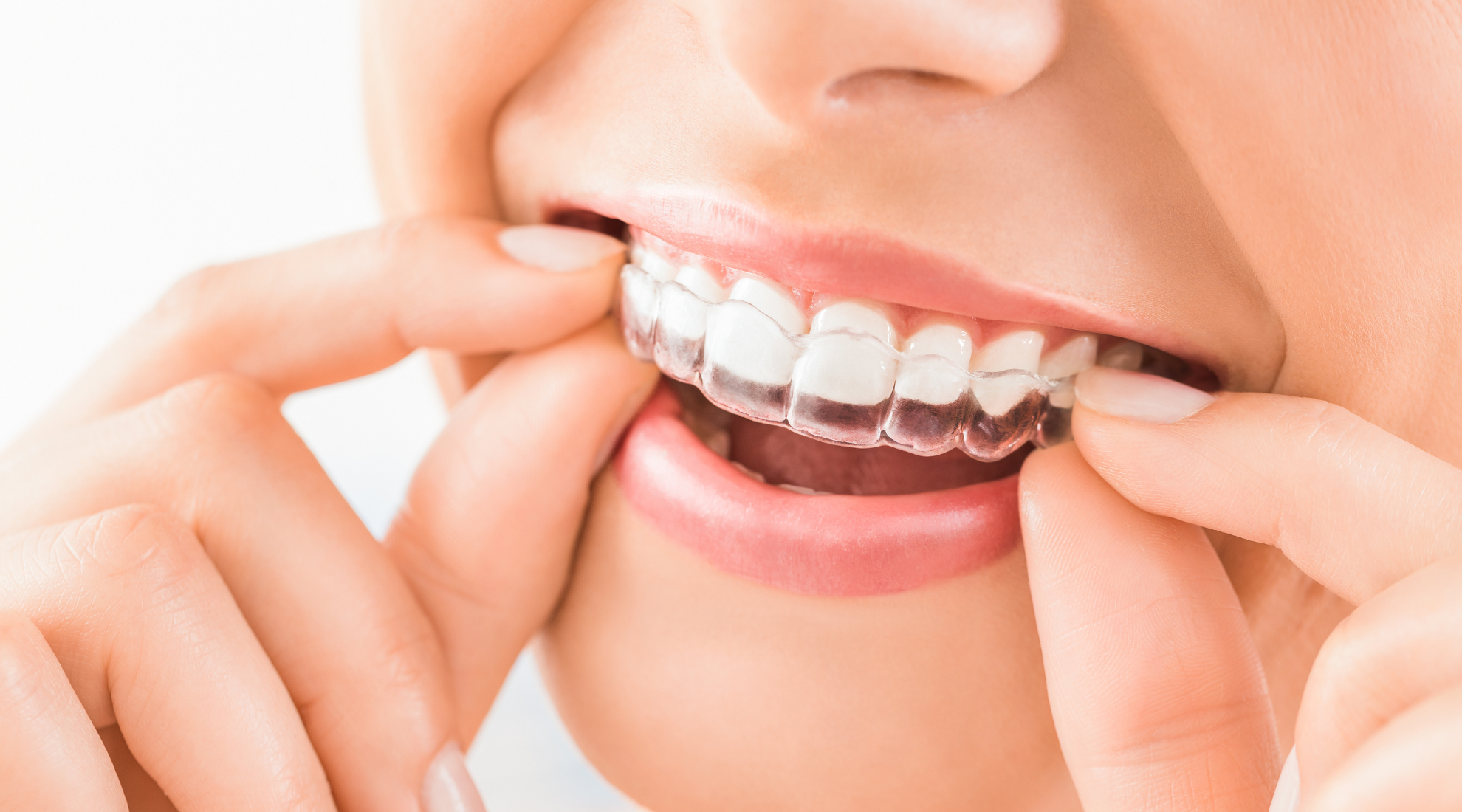
Keeping Your Smile Beautiful After Orthodontic Treatment
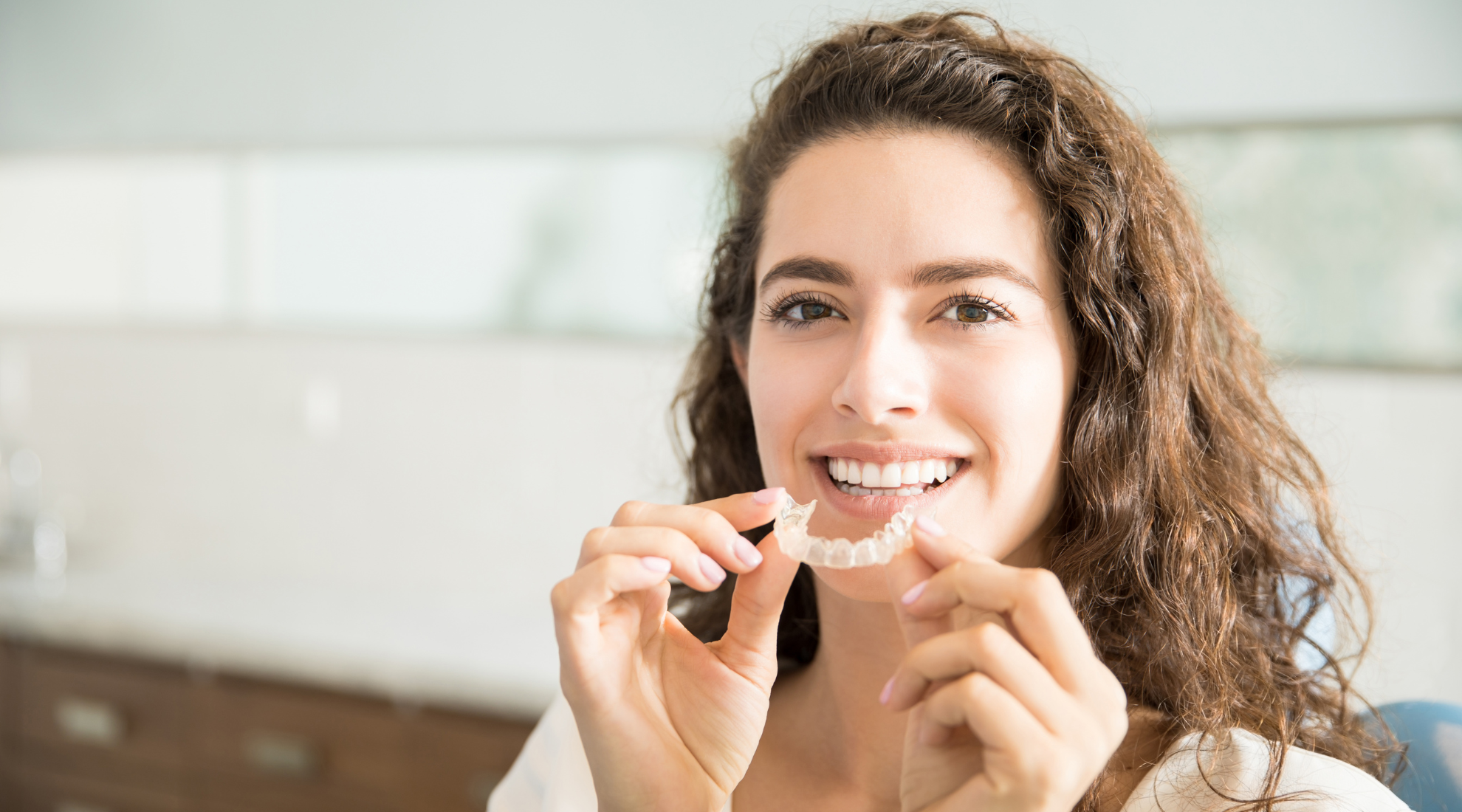
Wearing A Retainer
You will get a retainer when your braces come off to hold your teeth in their new place. Wear it exactly as directed. This may be everyday at first, then a few nights a week. If you don’t wear it, your teeth may start to go back to where they were. Then you need braces again.
Whenever you take your retainer out, rinse it and put it in its case. If you wrap it in a tissue or napkin, it may end up in the garbage by mistake.
Brush your retainer with toothpaste each time you brush your teeth. Then rinse it in cold water. Retainers are plastic. That means they can melt. Do not leave your retainer in a warm place.
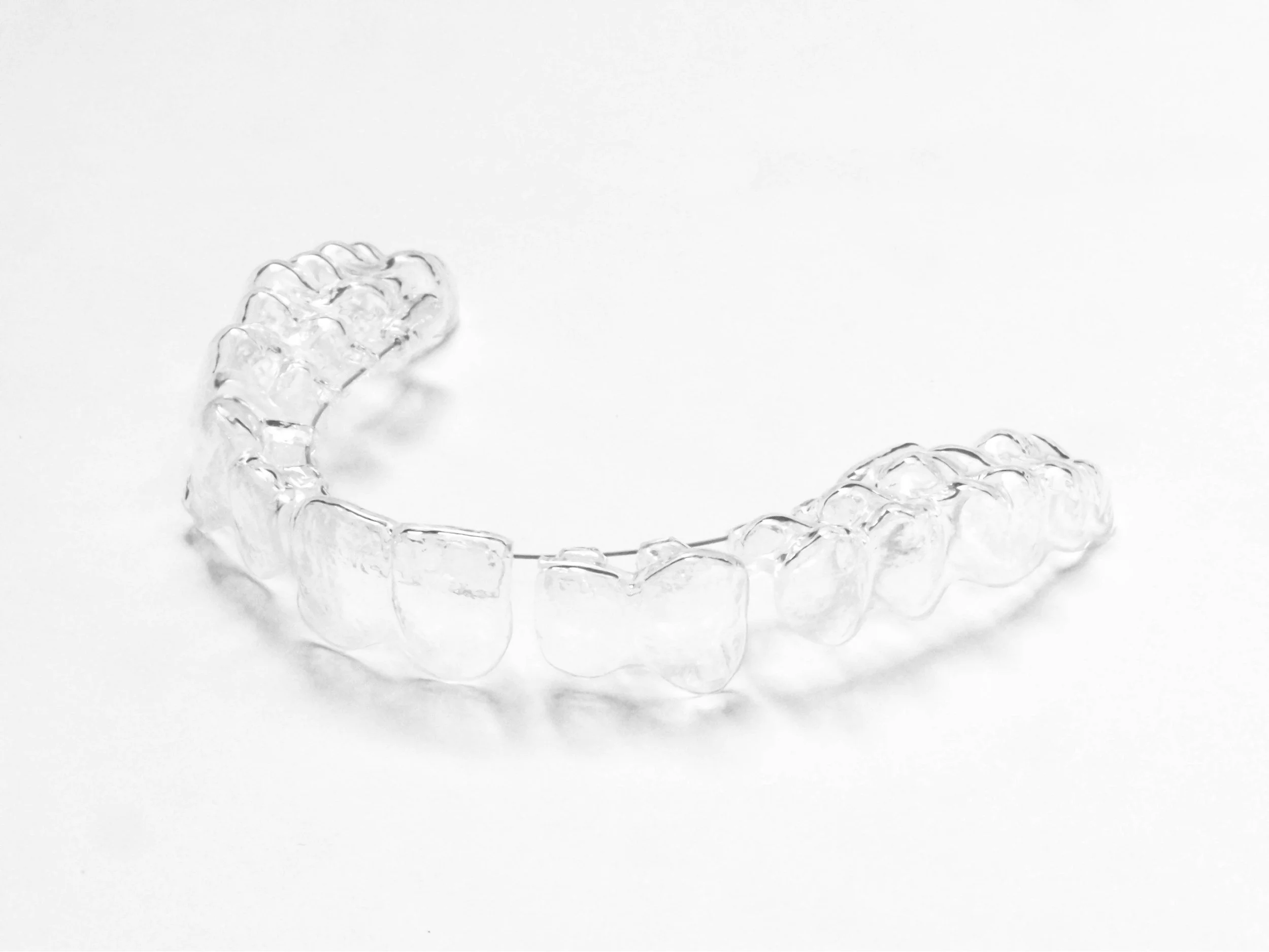
Why Do I Have to Wear a Retainer?
Teeth are held in place by ligaments — not locked into bone. Throughout orthodontic treatment, those ligaments loosen to allow movement. When active treatment ends, the teeth aren't yet firmly anchored in their new positions. Without a retainer holding them in place while the surrounding bone and tissue stabilize, teeth will drift.
Beyond the immediate post-treatment period, tooth movement is a lifelong process. Bone around the teeth continuously breaks down and rebuilds, and teeth respond to biting and chewing forces over time. Consistent retainer wear as prescribed is the most reliable way to protect the result you've worked toward.
If you notice any unwanted movement after treatment ends, contact us — we can assess whether a tune-up is needed to restore alignment.
What Types of Retainers Are Available?
Every patient at TriCity Orthodontics receives an individualized retention plan — because the right retainer depends on the nature of your case, the degree of change achieved through treatment, and your lifestyle. Retainers fall into two categories: fixed and removable, and both are used regularly in our practice.
-
A fixed retainer is a fine wire bonded to the tongue-facing surface of the front teeth. Because it requires no patient compliance to work, it's the retainer of choice when treatment has resulted in significant tooth movement and the risk of relapse is higher. A fixed retainer can be worn indefinitely, with occasional re-bonding if hard foods chip away at the bonding material over time.
Patients with fixed retainers should use a waterpik to clean around the wire effectively. Plaque and tartar can accumulate around fixed retainers due to the difficulty of flossing, which is why we recommend professional cleaning with a dental hygienist every three to six months.
-
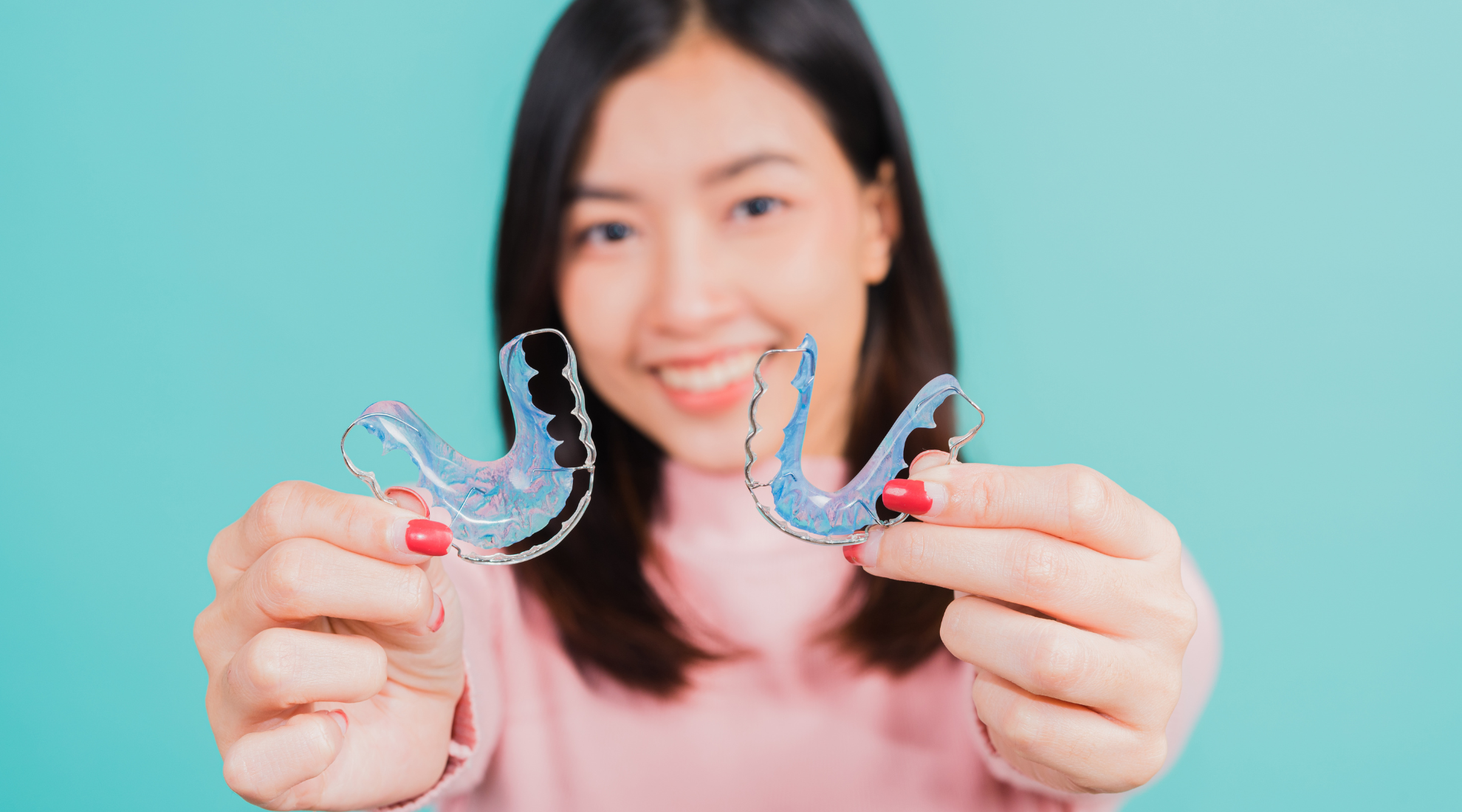
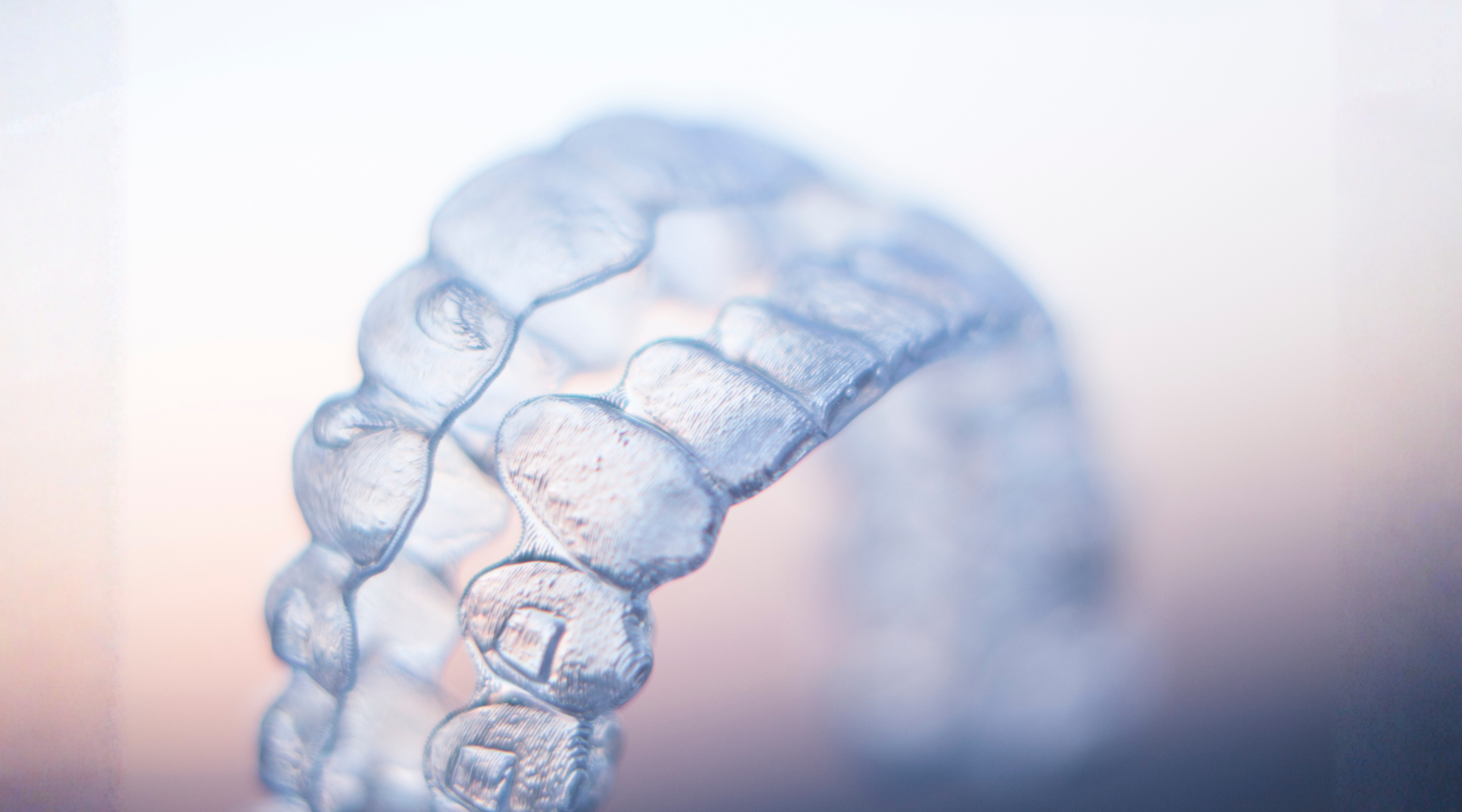
Removable retainers come in two forms. The traditional Hawley retainer consists of an acrylic base that conforms to the palate with a wire that wraps around the front teeth — a design that has been used reliably for decades. The more common option today is a clear plastic retainer, similar in appearance to an Invisalign aligner, which fits over the teeth and is strong enough to resist biting and grinding forces while providing excellent control over rotations.
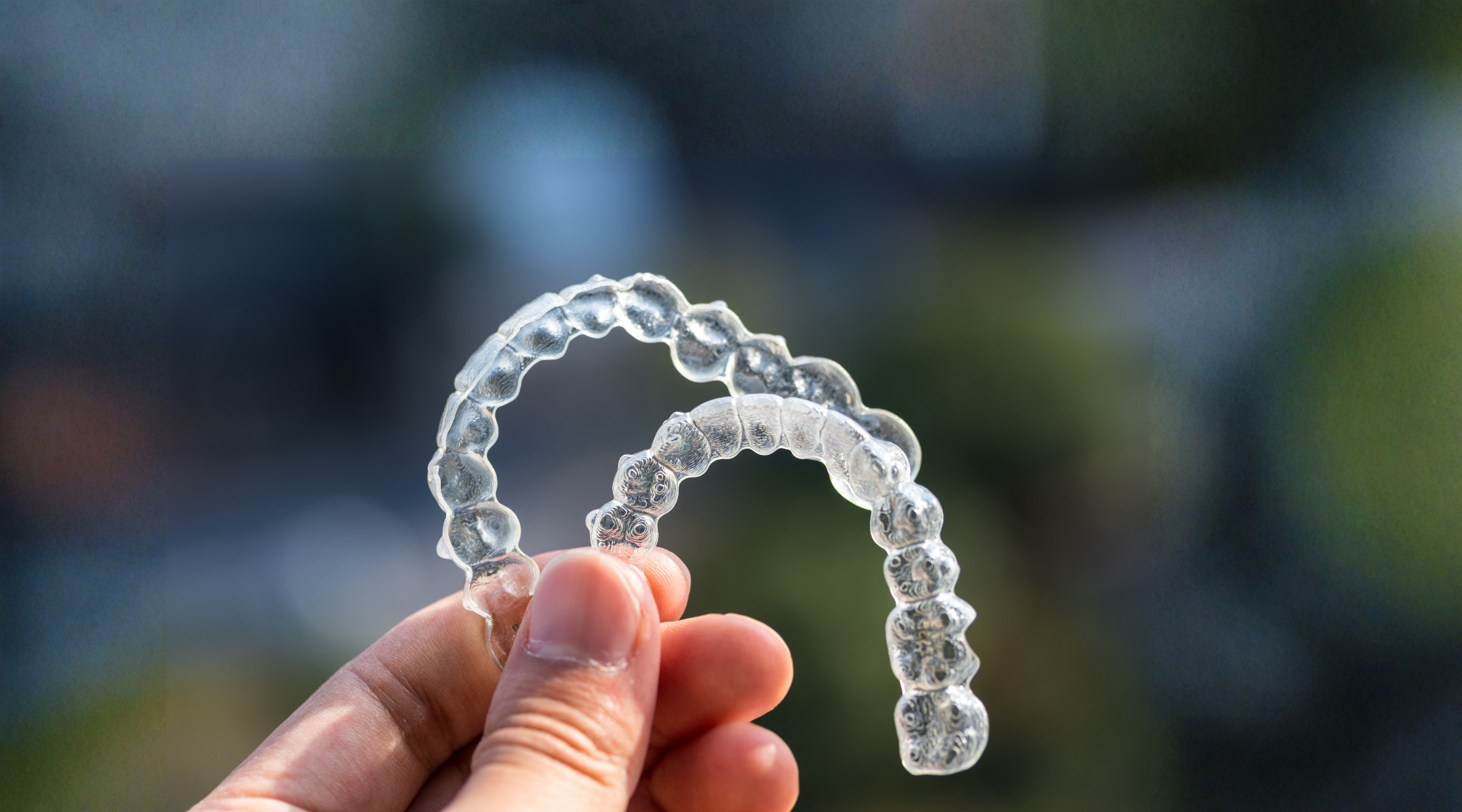
Your TriCity orthodontist will recommend the retainer type most appropriate for your case — and in many instances, a combination of fixed and removable retainers provides the most comprehensive long-term protection.
How Long Do I Have to Wear My Retainer?
Retention protocols vary depending on the original malocclusion and the type of retainer prescribed. Most patients are directed to wear removable retainers full time for an initial period of several months to two years — removing them only for eating — before transitioning to nighttime wear.
For the majority of patients, some degree of retainer wear every night is recommended indefinitely. Teeth don't stop moving when treatment ends — which is why long-term retainer compliance is the most reliable way to protect your result for life.
Will My Retainer Feel Uncomfortable at First?
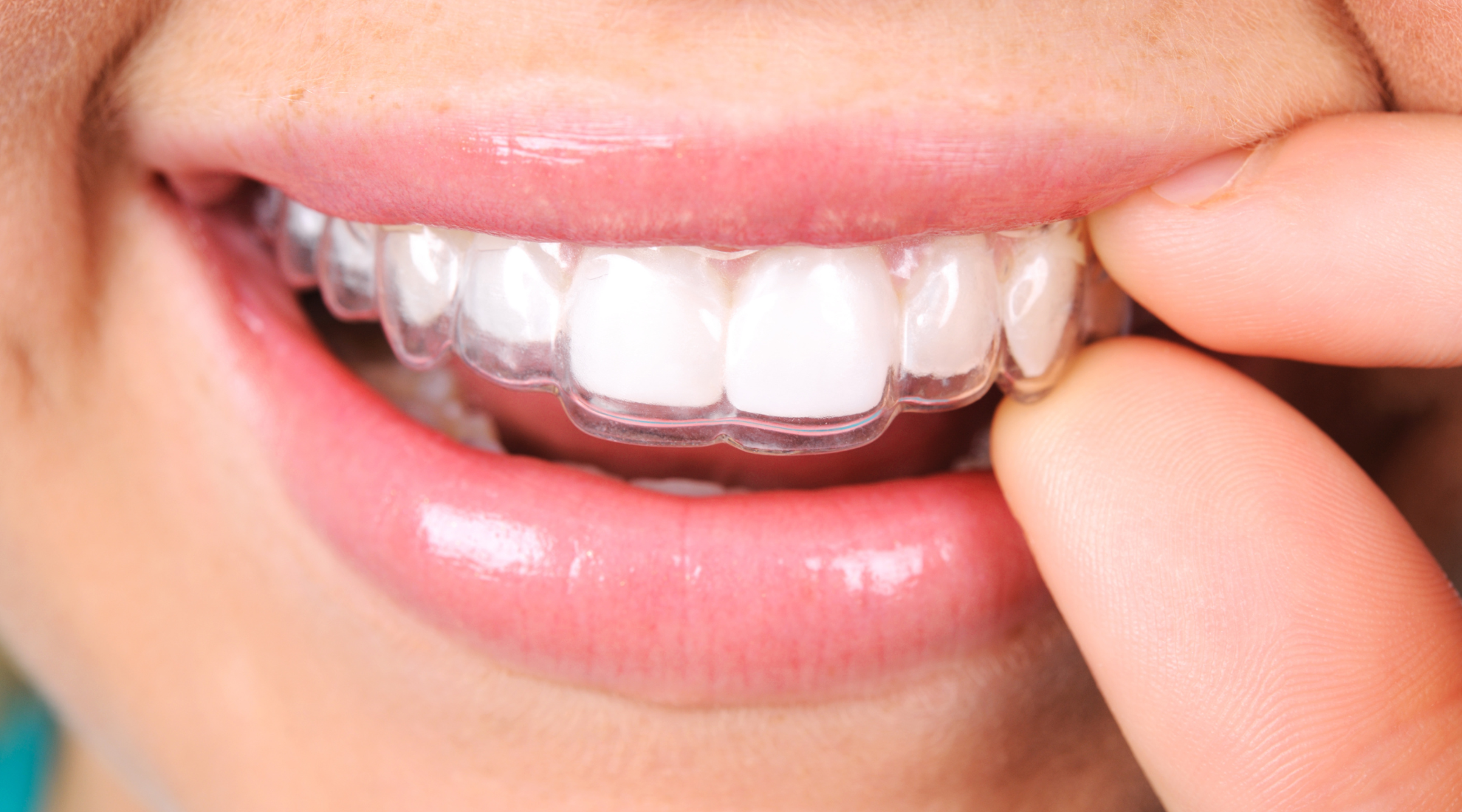
Some adjustment is normal. Speaking with a new retainer may feel unfamiliar initially, and increased saliva production is common as the mouth adapts to having a new appliance. Both typically settle within a few days to a couple of weeks as the mouth adjusts.
Most patients find that wearing a removable retainer is considerably more comfortable than having braces — and far less intrusive on daily life.
How Do I Care for My Retainer?
-
Clean around your fixed retainer with normal brushing and a waterpik for effective plaque removal. Visit your dental hygienist every three to six months for professional cleaning — they'll assess the gum tissue adjacent to the retainer and remove any buildup that home care can't reach.
-
Rinse your retainer every time you remove it and brush it gently with a soft toothbrush and a small amount of mild soap — not toothpaste, which can be abrasive. For a deeper clean, soak it in a denture cleaning solution such as Efferdent for approximately five minutes. Avoid leaving your retainer in warm places — plastic retainers can warp with heat exposure.
Always store your retainer in its case when it's not in your mouth. Retainers left on tables, wrapped in napkins, or placed on trays have a way of ending up in the bin. If your retainer is lost or broken, contact us right away — the longer you go without it, the greater the risk of unwanted movement.
Key Things to Remember
Retainer wear is now your responsibility — and it's the single most important factor in protecting your result long term. Small changes after treatment are normal as the bite settles. More significant movement is preventable. Wear your retainer as prescribed, continue seeing your family dentist regularly, and reach out to us any time something doesn't feel right. We're here long after your last appointment. That's part of what we mean when we say the care doesn't end when the braces come off.