


Surgical Orthodontic
Treatments.
Some jaw discrepancies are too significant to be corrected with orthodontic treatment alone. When the position or size of the jaws themselves is the underlying issue — not just the teeth — braces can improve the situation, but they can't resolve it. For these patients, orthognathic surgery, combined with specialist orthodontic treatment, is what makes a functional, stable and lasting result possible.
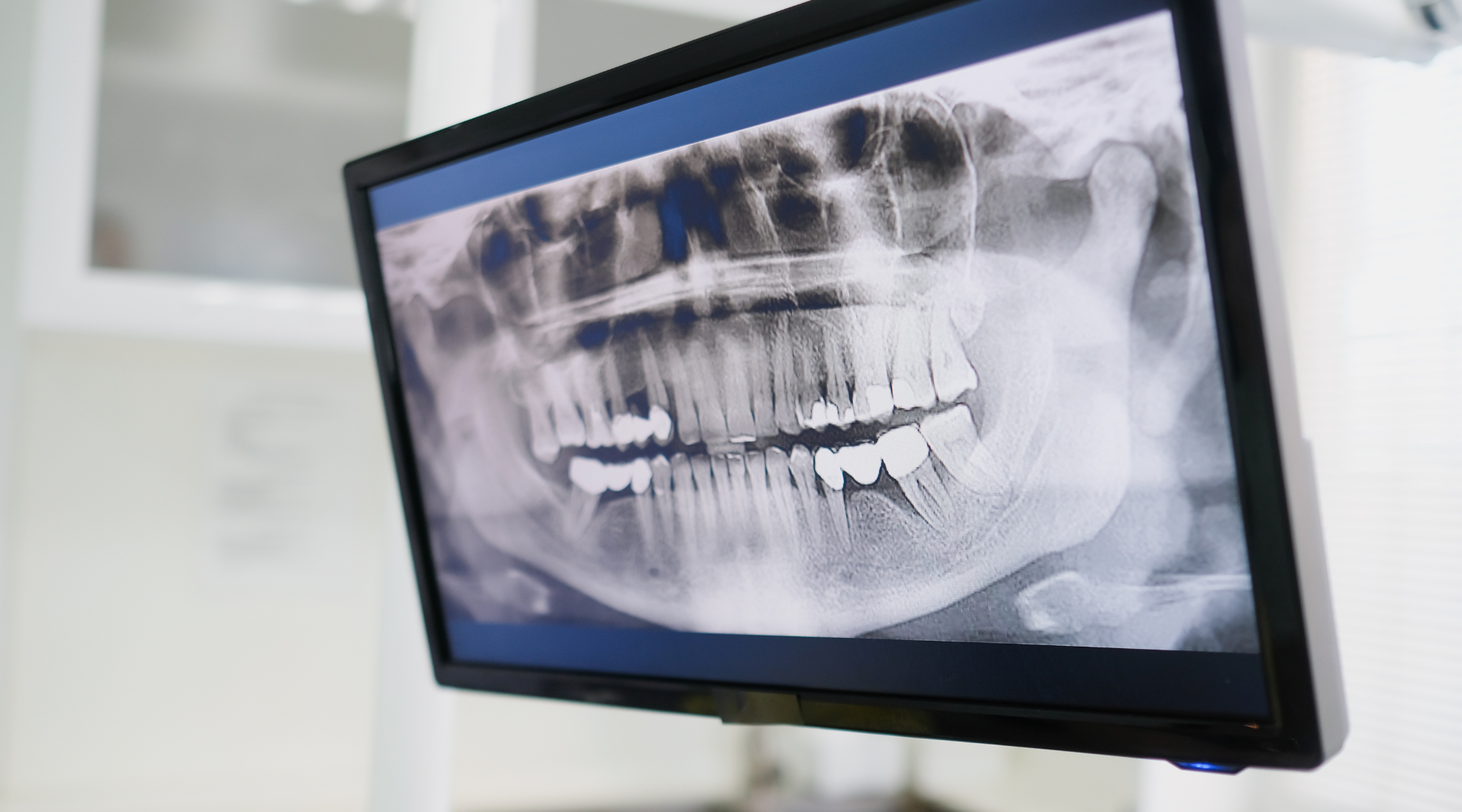
When Braces Alone Aren't Enough
Roughly 3 to 5 percent of the population has jaw discrepancies significant enough to affect function, facial proportion, or both in meaningful ways. For these patients, chewing requires noticeably more effort, speech can be affected, and the aesthetic impact on facial balance is often significant.
Braces are highly effective at moving teeth — but they work within the existing jaw structure. When the jaw structure itself is the problem, orthodontic treatment alone can only go so far. Moving teeth to compensate for a significant skeletal discrepancy without correcting the underlying jaw position produces results that are neither stable nor fully functional over time. Surgery addresses what braces cannot.
What is Orthognathic Surgery?
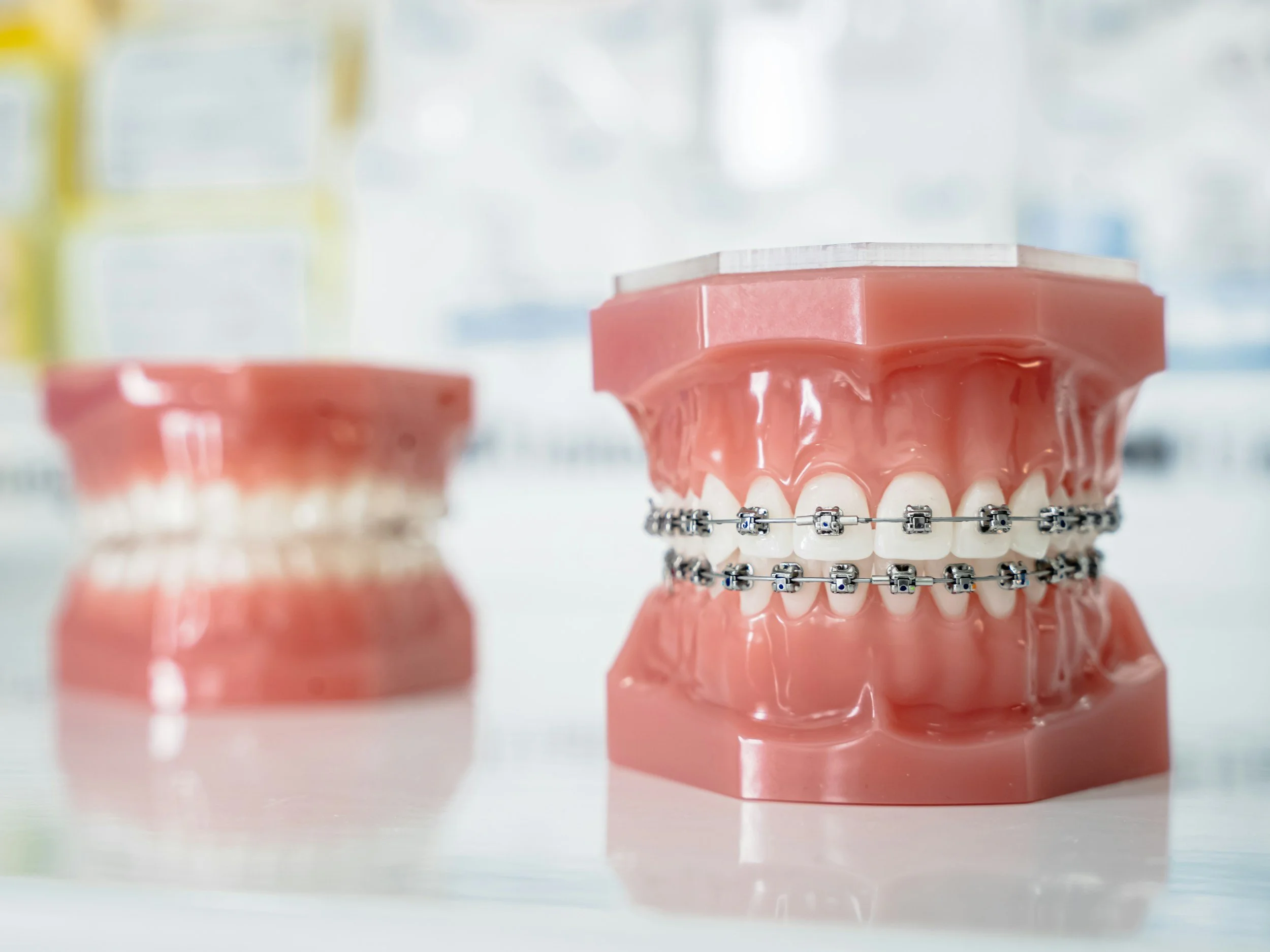
Orthognathic surgery — also referred to as corrective jaw surgery — is a procedure performed by an oral and maxillofacial surgeon to reposition the upper jaw, lower jaw, or both. The goal is to correct skeletal imbalances that orthodontic treatment alone cannot address: discrepancies in jaw size, position, or symmetry that affect bite function, facial balance and long-term oral health.
Braces or aligners cannot move the jawbones themselves — they can only move teeth within the existing jaw structure. When the bones themselves are the issue, surgery is what makes a lasting, functional result possible.
Orthodontic treatment remains a critical part of the process. Braces are typically worn before and after surgery to ensure the teeth align correctly once the jaws have been repositioned. The two phases work together — and at TriCity Orthodontics, the coordination between your orthodontist and surgeon is built into the process from day one.
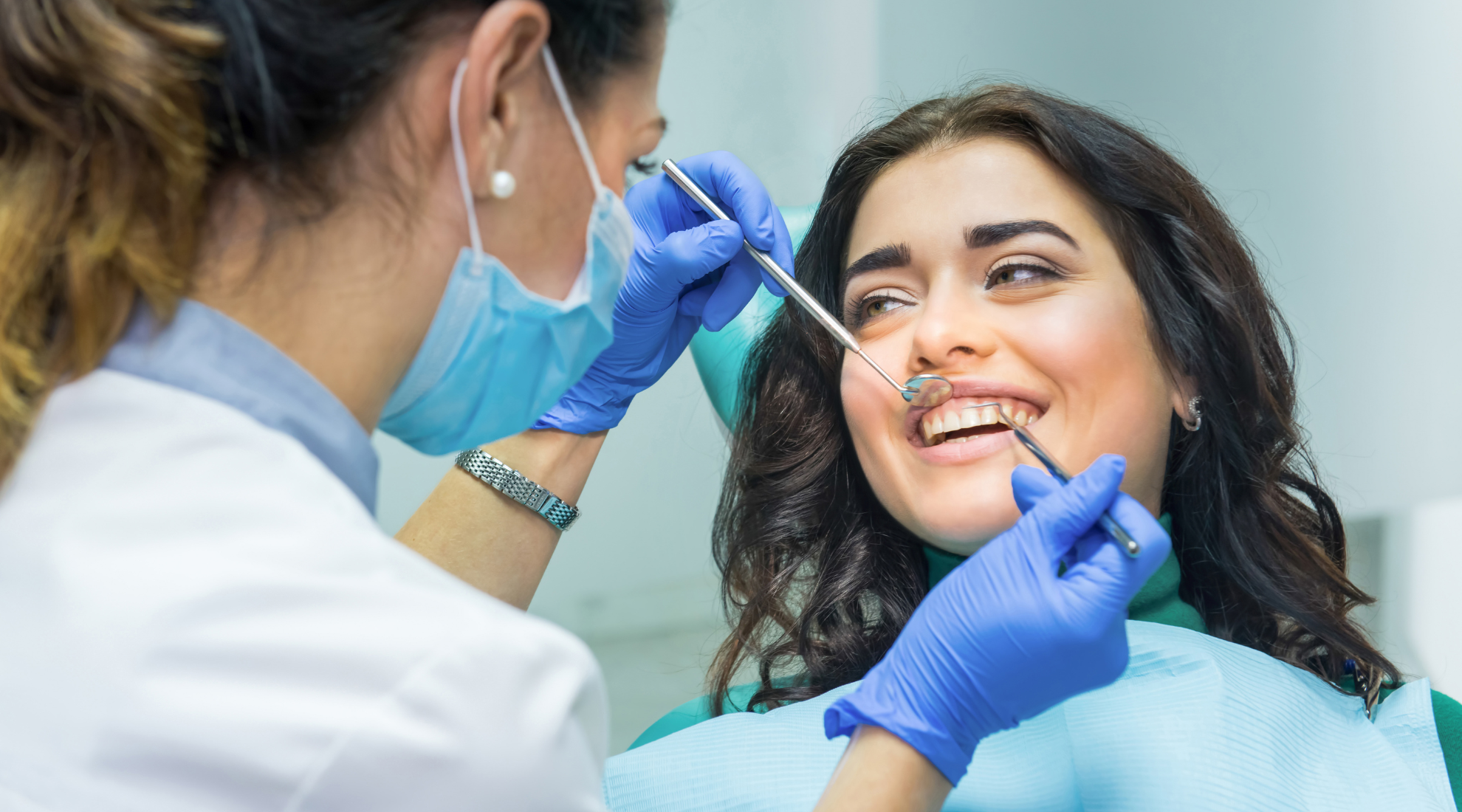
What Orthognathic Surgery Can Address
Surgical orthodontic treatment is recommended for patients whose jaw discrepancies are too significant to be managed through orthodontics alone. Conditions commonly treated include:
Severe overbites and underbites
Open bites
Crossbites with a skeletal component
Facial asymmetry
Difficulty chewing or biting efficiently
Speech concerns related to jaw position
Jaw pain or chronic TMJ discomfort
Excessive tooth wear caused by bite imbalance
Chronic mouth breathing
Sleep-related breathing concerns
Most patients begin surgical orthodontic treatment once jaw growth is complete — typically during the late teen or adult years.
When is Surgery Necessary?
Orthognathic surgery is recommended when the degree of jaw discrepancy is beyond what tooth movement alone can resolve. Braces can achieve a great deal — but when the skeletal foundation is significantly imbalanced, moving teeth without addressing the underlying bone structure produces a result that is neither stable nor functional long term.
Patients who may benefit from surgical orthodontics often present with a combination of functional concerns and cosmetic ones.
Some of the most common indicators include:
-
When the jaws don't meet properly, chewing becomes inefficient and uncomfortable. Patients often describe an inability to bite into foods cleanly or a sense that their teeth simply don't come together the way they should.
-
A significant bite imbalance places uneven strain on the temporomandibular joints, which can manifest as chronic jaw discomfort, headaches, or persistent muscle tension — concerns that orthodontic treatment alone won't resolve if the underlying jaw position is the cause.
-
Certain jaw positions affect the way sounds are formed, influencing speech clarity in ways that are difficult to correct without addressing the skeletal position driving them.
-
Patients with jaw discrepancies often notice an asymmetry in their facial profile — a chin that appears too prominent or recessed, or a face that doesn't sit symmetrically. Corrective surgery addresses the underlying skeletal cause rather than masking it.
-
Significant underbites, overbites, open bites, and skeletal crossbites are among the most common indications for orthognathic surgery — particularly when the severity of the discrepancy places it outside the range of what braces can predictably correct.
-
Jaw positioning can contribute to airway restriction, chronic mouth breathing, and in some cases, sleep-disordered breathing. Surgical repositioning can improve airway function in ways that other treatments cannot.
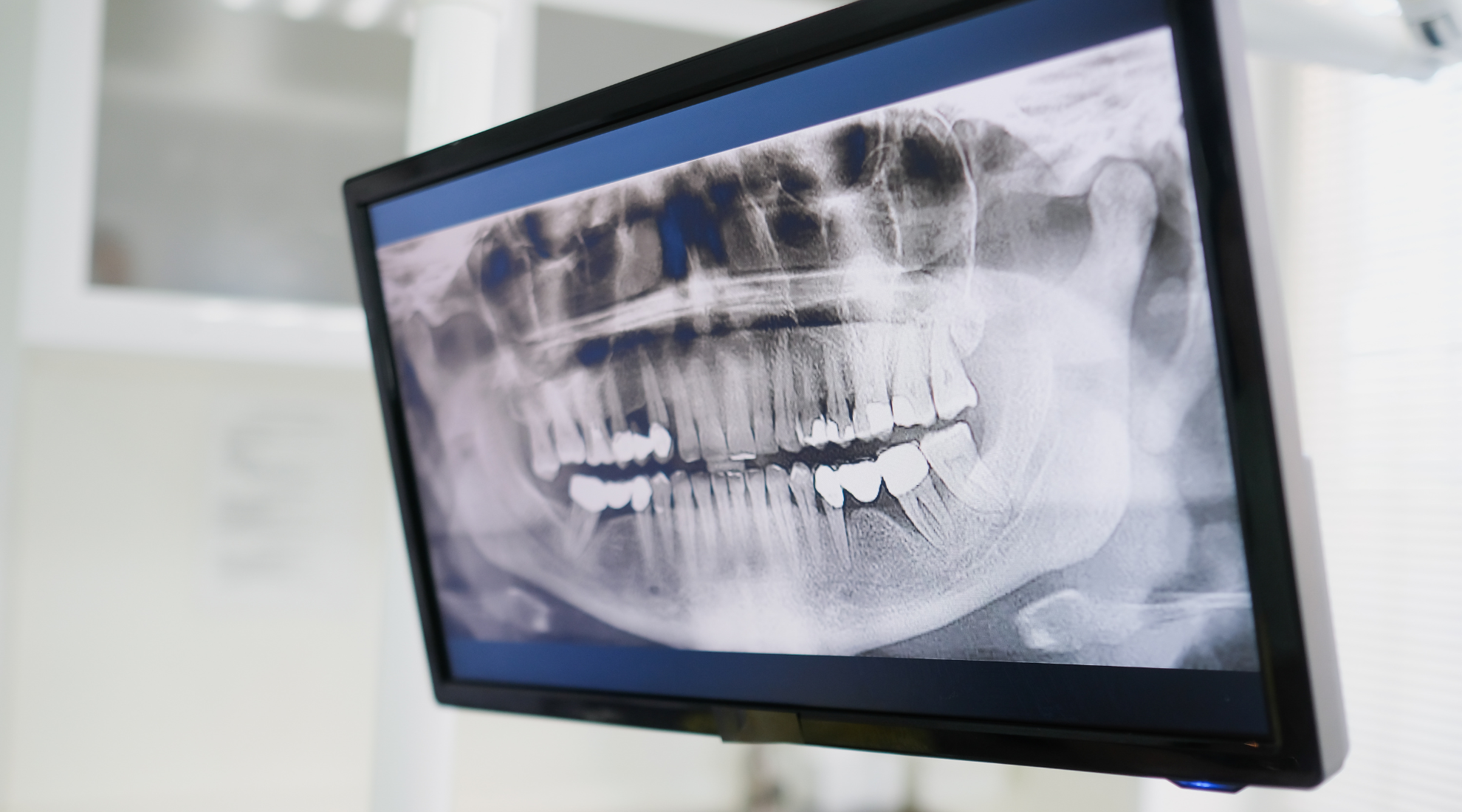

The Surgical Orthodontic Treatment Process
Surgical orthodontic treatment is delivered in carefully planned phases. At TriCity Orthodontics, your orthodontist coordinates directly with your oral surgeon throughout — so every step is clinically connected and nothing is planned in isolation.
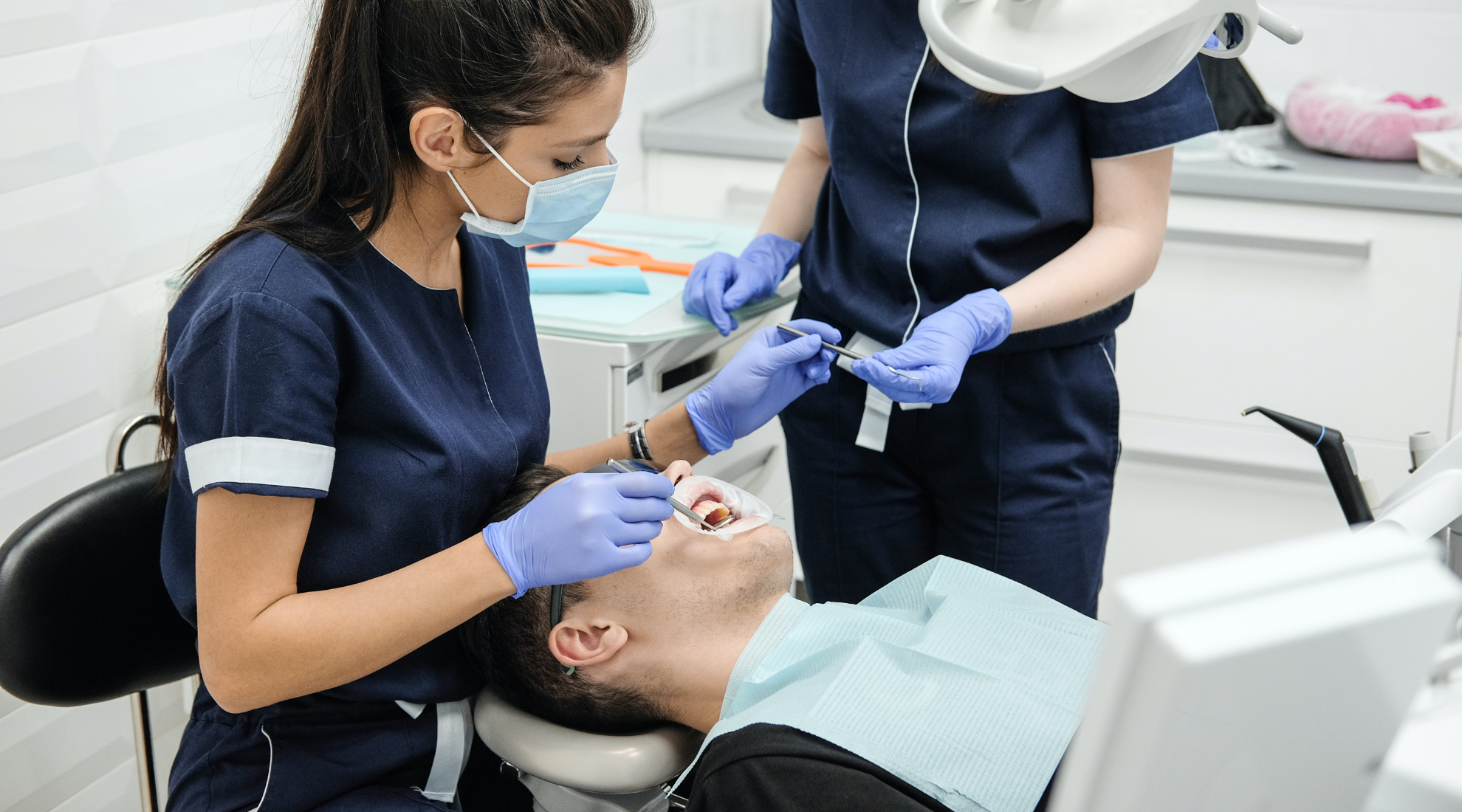
Step 1:
Comprehensive Evaluation
Treatment begins with a thorough orthodontic assessment including digital imaging, clinical photographs, bite analysis, and detailed treatment planning. Our specialist orthodontists will determine whether jaw surgery is indicated and explain precisely why — in terms you can understand and act on.
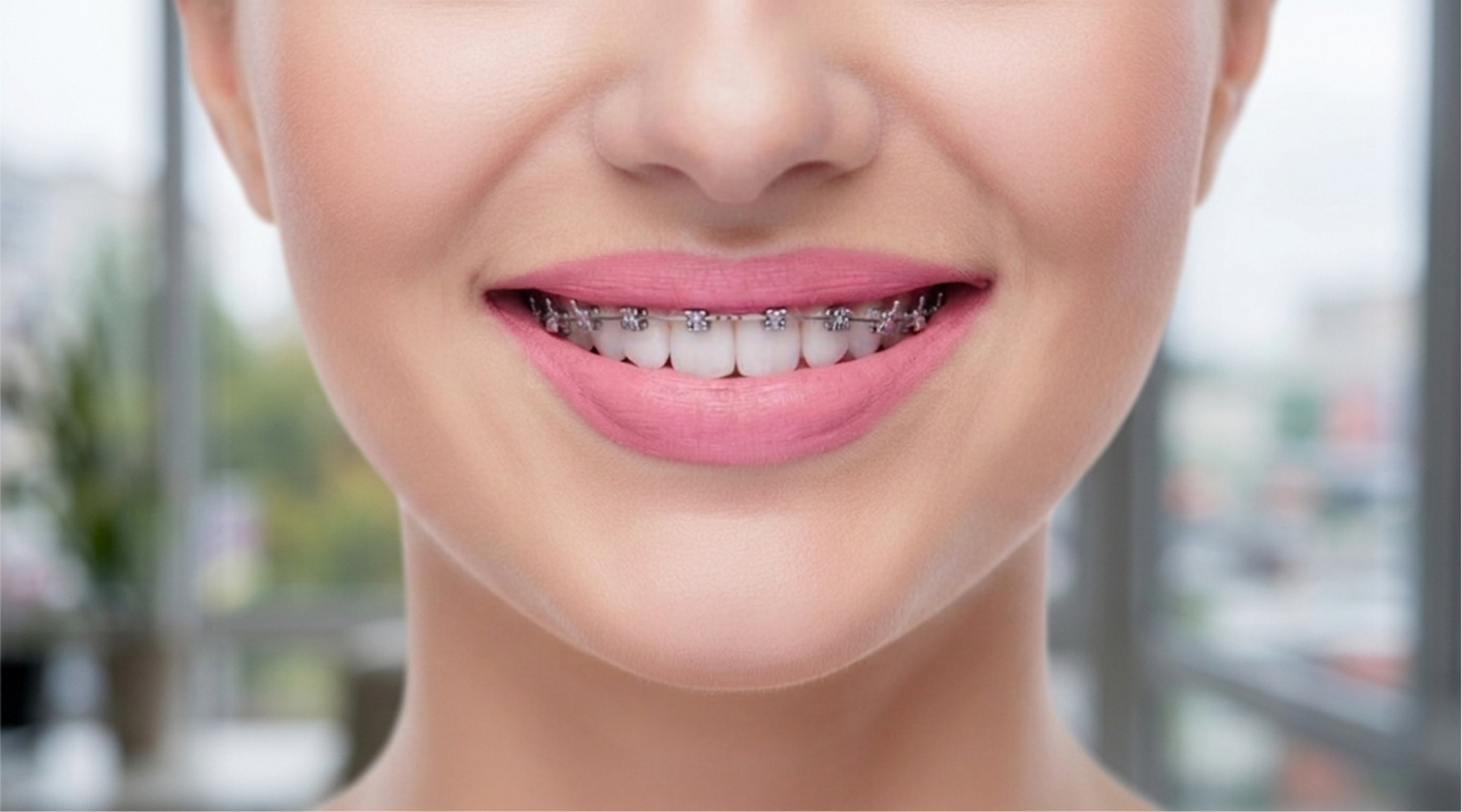
Step 2:
Pre-Surgical Orthodontics
Braces are worn in the months leading up to surgery to align the teeth and prepare the bite for jaw repositioning. This phase typically lasts several months to over a year depending on the complexity of the case. The goal isn't to finish treatment — it's to set the stage for surgery so the surgical result is as precise and stable as possible.
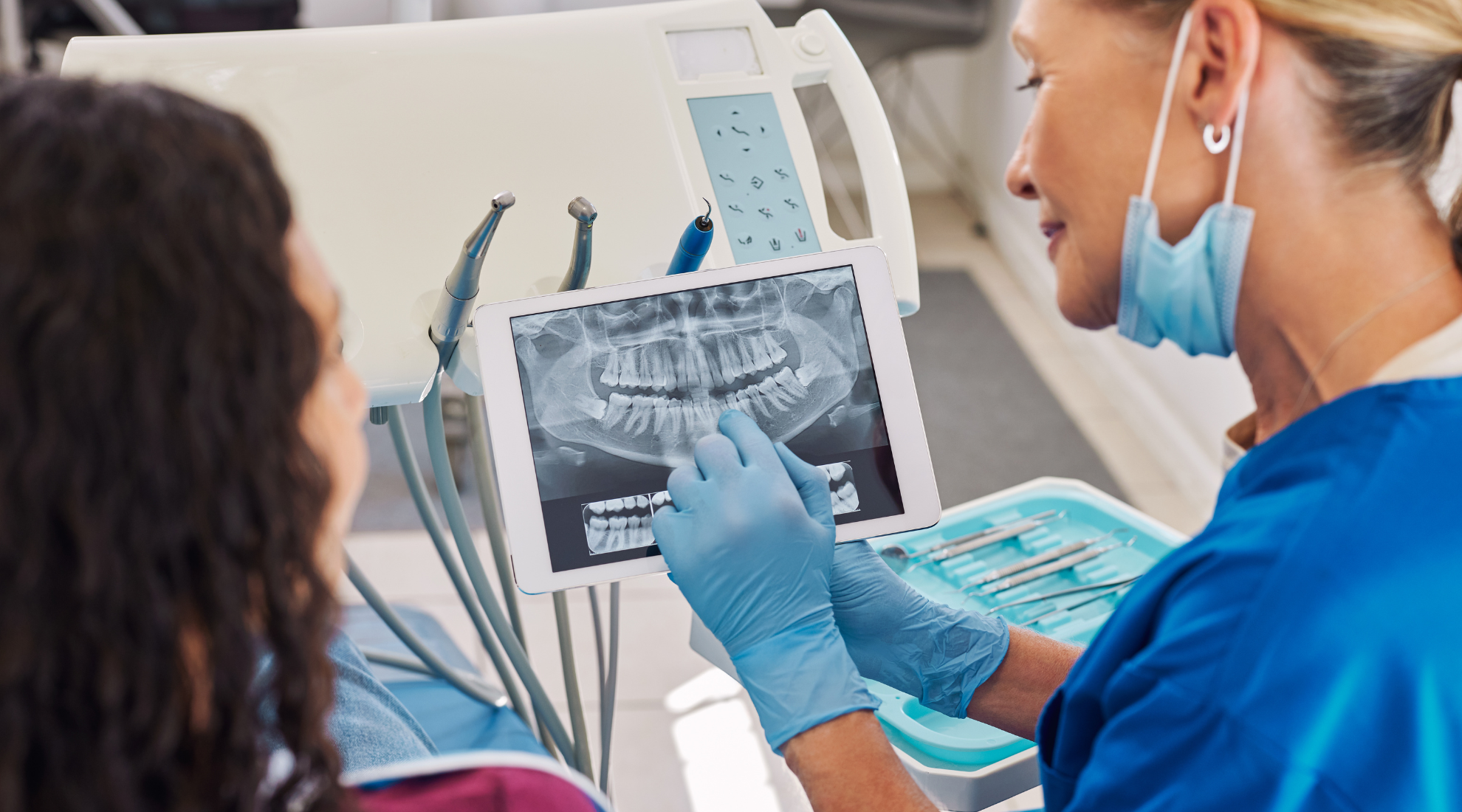
Step 3:
Surgical Planning
Your TriCity orthodontist and your oral surgeon work together using advanced imaging and digital planning technology to map the procedure in detail before a single incision is made. Precise measurements ensure accurate jaw repositioning and optimal bite function from the outset.
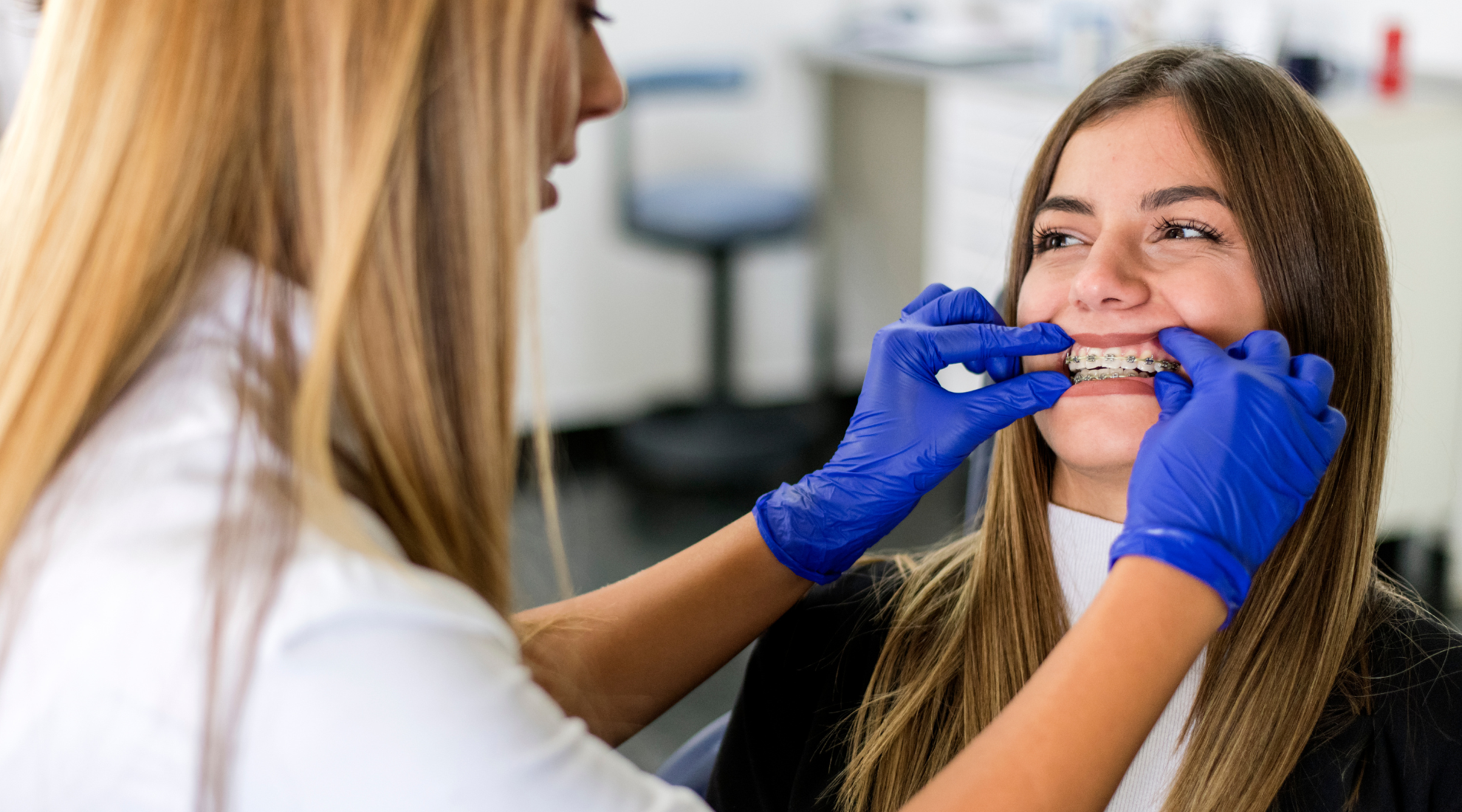
Step 4:
Orthognathic Surgery
Surgery is performed in a hospital or surgical facility under general anesthesia. Depending on your clinical needs, your surgeon may reposition the upper jaw, lower jaw, chin, or a combination — according to the plan developed collaboratively between your surgical and orthodontic teams.

Step 5:
Recovery
Recovery varies by patient and by the scope of the procedure. Most patients return to school or work within a few weeks. Swelling and temporary dietary adjustments are expected during the healing phase. Your orthodontist and surgeon will monitor your progress closely and stay in communication throughout recovery.
Step 6:
Final Orthodontic Treatment
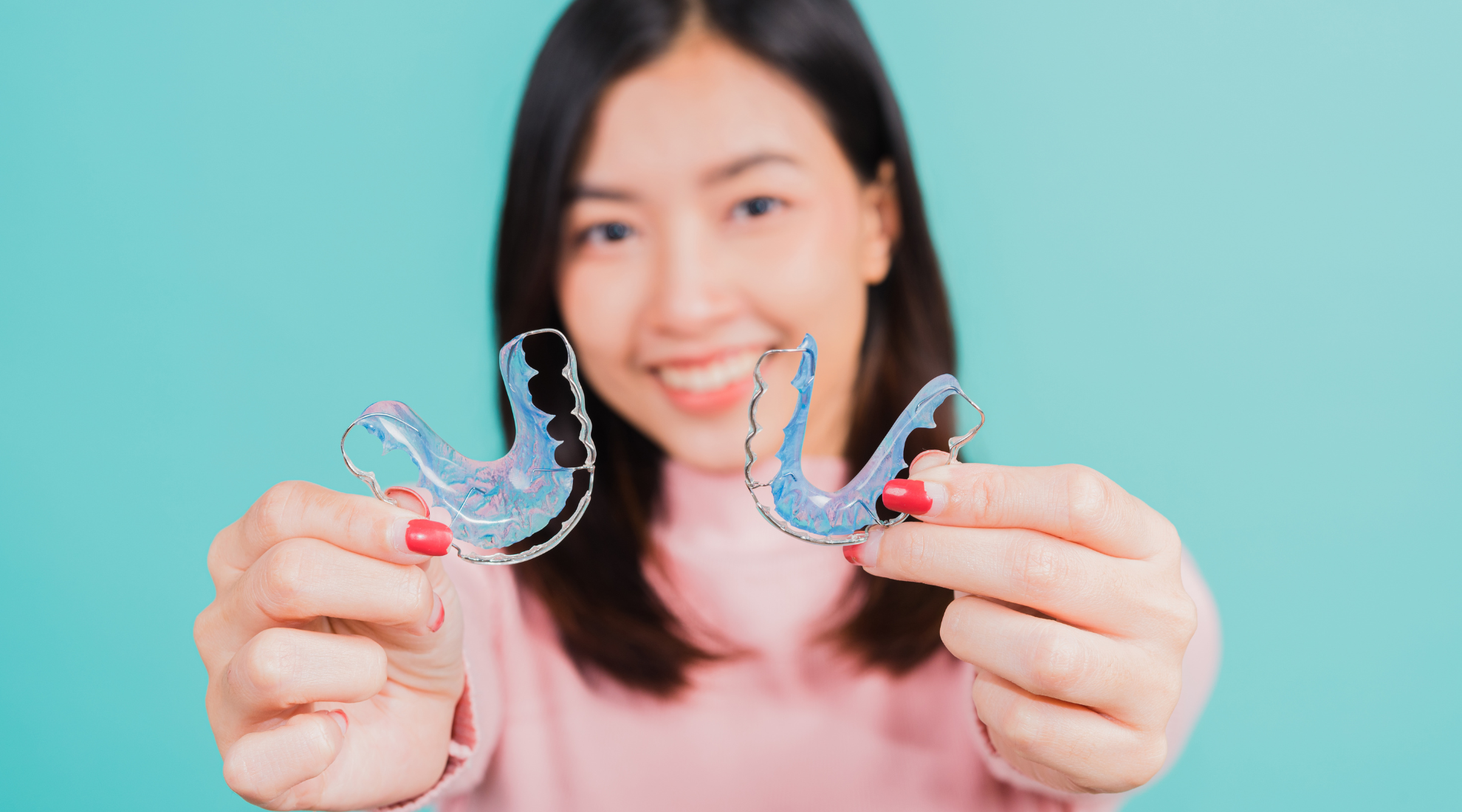
Once healing is complete, orthodontic treatment continues to refine the bite and finalize tooth alignment. When treatment concludes, retainers are provided to protect and maintain the result long term.
Once treatment begins, your appointment frequency will be discussed and confirmed by your orthodontist. In general:
Early appointments are typically scheduled every six to eight weeks, allowing time for gradual tooth movement between visits.
Ongoing appointments are similarly spaced throughout treatment, with each visit used to monitor progress, make any necessary adjustments, and ensure treatment is tracking on schedule.
Throughout your orthodontic treatment, it's important to continue seeing your family dentist for regular cleanings — ideally every three to four months. Consistent dental hygiene care during orthodontic treatment helps prevent decay and gum issues, and supports the best possible outcome when treatment is complete.

Your Treatment Schedule
For Patients Referred by Their Dentist
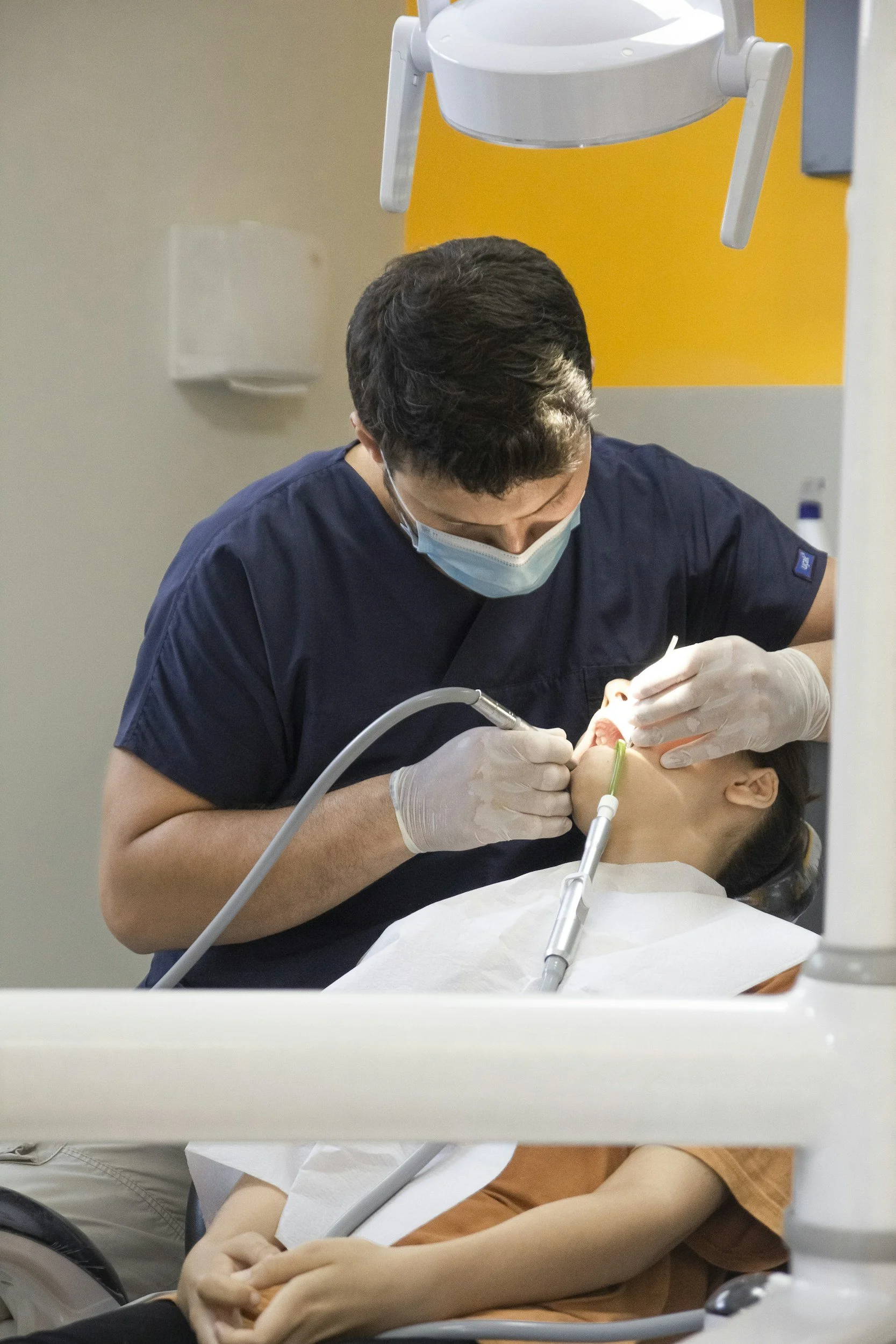
If your family dentist has referred you to TriCity Orthodontics, we'll coordinate directly with their office to ensure your records are shared appropriately and your care is well-connected. We work closely with dental professionals across Kitchener, Waterloo, and Cambridge to ensure seamless, well-informed patient transitions.
Seeking a Second Opinion?
If you suspect your bite or jaw concerns may go beyond what braces alone can address — or if you've already been assessed and want a specialist's perspective — your consultation at TriCity is free. Our orthodontists will give you a thorough evaluation and an honest clinical assessment of what treatment would involve and what it can realistically achieve.

FREE CONSULTATION
Your First Step
If you suspect your bite or jaw concerns may go beyond what braces alone can address — or if you've already been assessed and want a specialist's perspective — your consultation with us is free. Our orthodontists will give you a thorough evaluation and an honest clinical assessment of what treatment would involve and what it can realistically achieve.