


Caring for Your Braces.
Most patients are surprised by how quickly braces become part of daily life. Within a few weeks, eating, speaking and going about your routine feels entirely normal. That said, braces do require some adjustments — particularly around what you eat and how you clean your teeth. Following these guidelines protects your appliances, keeps your teeth healthy throughout treatment, and helps ensure your treatment stays on schedule.
How to Take Care of Your Braces at Home

The adjustments to your diet during orthodontic treatment are straightforward — and temporary. The goal is to avoid foods that place excessive force on brackets and wires, or that get stuck in places that are difficult to clean.
Eating with Braces

-
Pasta, rice, soups, soft-cooked vegetables, eggs, yogurt, fish, and chicken are all excellent choices throughout treatment. Foods that require minimal force to chew are your best options.
-
Chewy foods like steak, pizza, and sandwiches are fine — cut into manageable pieces first. Remove meat from the bone before eating. Slice fruit and raw vegetables rather than biting into them whole. Cut corn off the cob before eating.
Avoid these entirely:
Sticky foods — Caramels, toffee, chewing gum, jellybeans, and similar foods can dislodge brackets and distort wires. They're the most common cause of avoidable appliance damage.
Hard and crunchy foods — Ice, popcorn, nuts, hard candy, corn chips, and crusty bread can crack brackets or bend wires. Even one incident can set your treatment back by several weeks.
Sugary foods and drinks — Sugar accelerates decay, and braces create more surfaces for plaque to accumulate around. If you consume something sweet, brush immediately afterward.
Maintaining excellent oral hygiene throughout orthodontic treatment is non-negotiable. Brackets and wires create additional surfaces for plaque to collect — and poor hygiene during treatment can result in decalcification, decay, and gum inflammation that affects the teeth long after braces are removed.
Brush thoroughly after every meal, angling the bristles both above and below the brackets to clean all surfaces. Flossing with braces requires a floss threader or orthodontic flosser to navigate under the wire — it takes slightly longer, but it matters. Your TriCity Orthodontics specialist will demonstrate the correct technique at your appointments and can recommend tools that make the process easier.
Continue seeing your family dentist for professional cleanings every three to four months during treatment. Regular hygiene appointments are an important complement to your orthodontic care. For detailed guidance, click below.

Oral Hygiene During Treatment
-
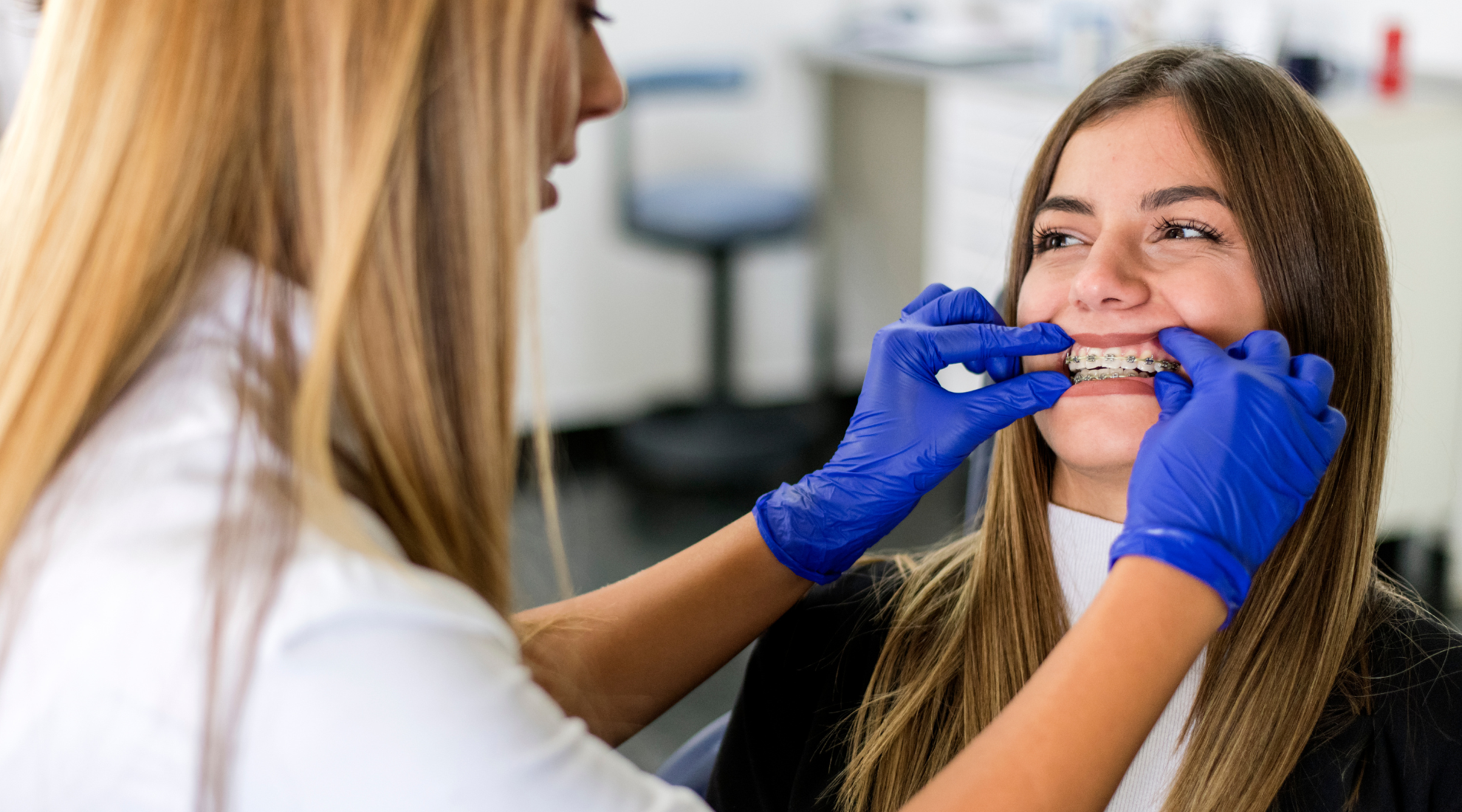
Gently tuck the wire back into place using a blunt instrument such as the eraser end of a pencil. If the end is poking and causing irritation, cover it with a small piece of orthodontic wax until you can come in. Contact our office to arrange a repair appointment.
-
If a bracket has come off the tooth but is still attached to the wire, leave it in place and contact us. Do not attempt to remove it yourself. If it has come off completely, bring it to your next appointment.
-
Some soreness in the first few days after braces are placed or adjusted is normal. Over-the-counter pain relief and soft foods are usually sufficient. If discomfort is significant or persistent, call us.
If A Wire Gets Loose or Breaks
Broken brackets and loose wires are not uncommon — particularly early in treatment as patients adjust to new dietary habits. If something comes loose, here's what to do:
Playing Sports with Braces
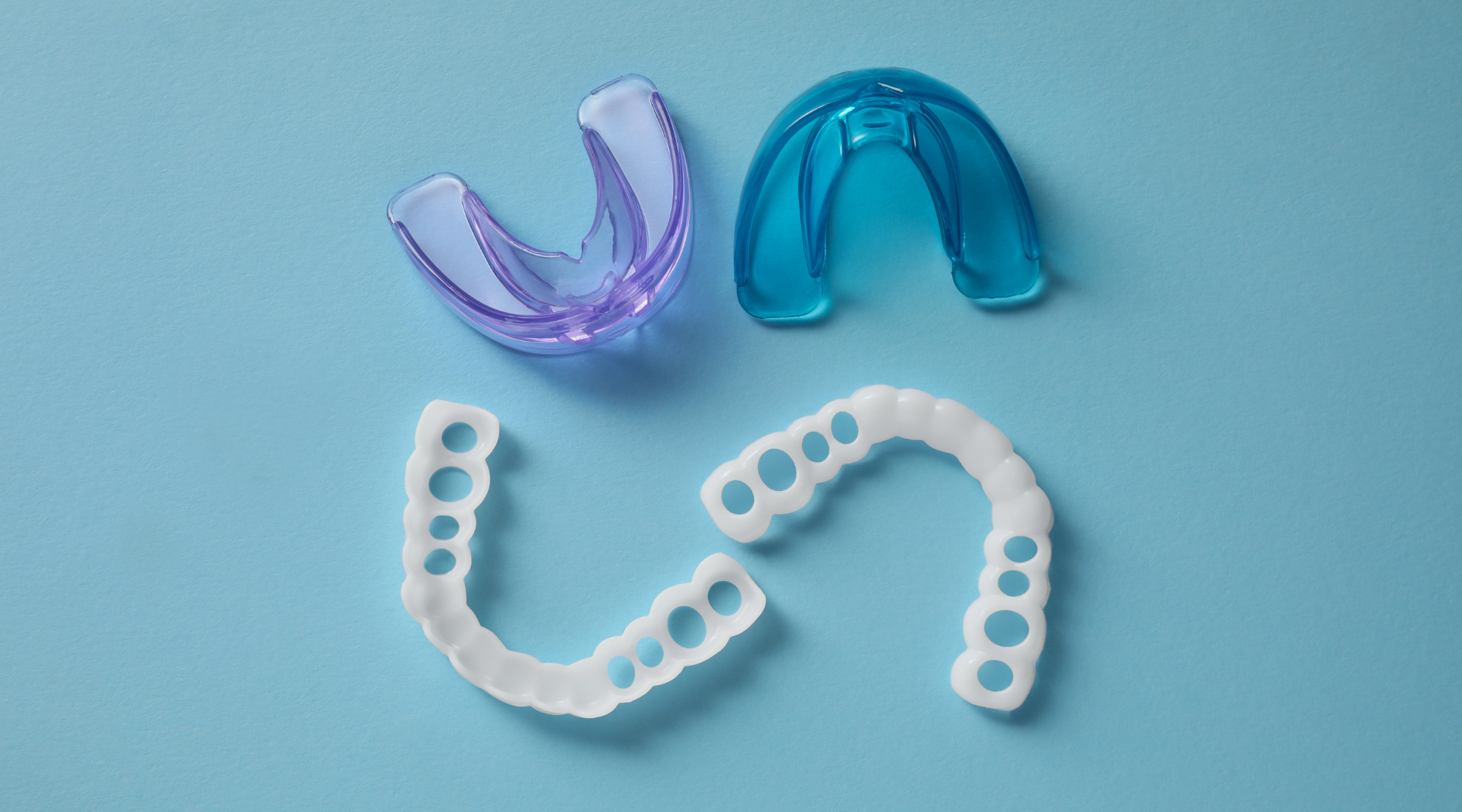
Braces are not a barrier to sports participation. Patients at TriCity Orthodontics play contact sports, recreational leagues and competitive athletics throughout treatment without issue — with one essential addition: a properly fitted mouthguard.
A standard over-the-counter mouthguard will not fit correctly over braces. Ask your TriCity orthodontist about an orthodontic mouthguard designed to protect both your teeth and your appliances during contact sports. Wearing one consistently eliminates the vast majority of sports-related appliance damage.