


Early Orthodontic
Treatment.
The earlier we look, the more options we have. At TriCity Orthodontics, we recommend children receive their first orthodontic evaluation by age 7 — not because treatment is likely needed at that age, but because that's when the clinical picture becomes meaningful. It's when we can see what's developing, what's not, and what — if anything — needs to be done about it.

When Should My Child Be Evaluated?
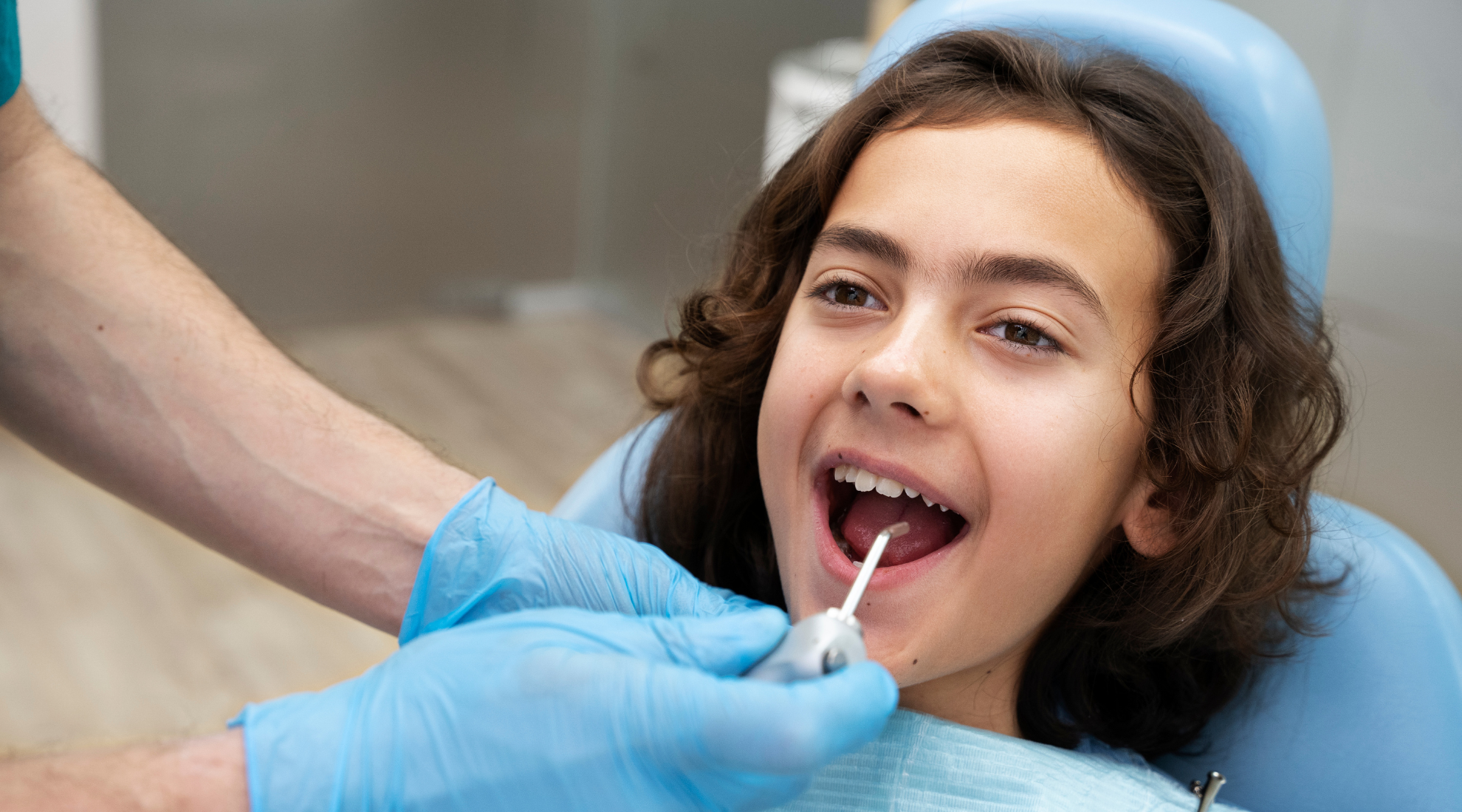
The Canadian Association of Orthodontists recommends a first orthodontic evaluation by age 7, around the time the first permanent molars begin to erupt. At this stage, our specialist orthodontists can assess the relationship between the upper and lower jaws, evaluate how permanent teeth are developing beneath the surface, and identify any concerns with the eruption path before they become more difficult to correct.
Most children seen at age 7 don't need active treatment. But the evaluation itself is valuable — it tells us whether to monitor, whether to intervene, and when the right time to act actually is. That clarity is worth more than most parents expect walking in.
Why Do I Need an Early Orthodontic Evaluation?
Early evaluations aren't about starting treatment sooner — they're about having the right information at the right time.
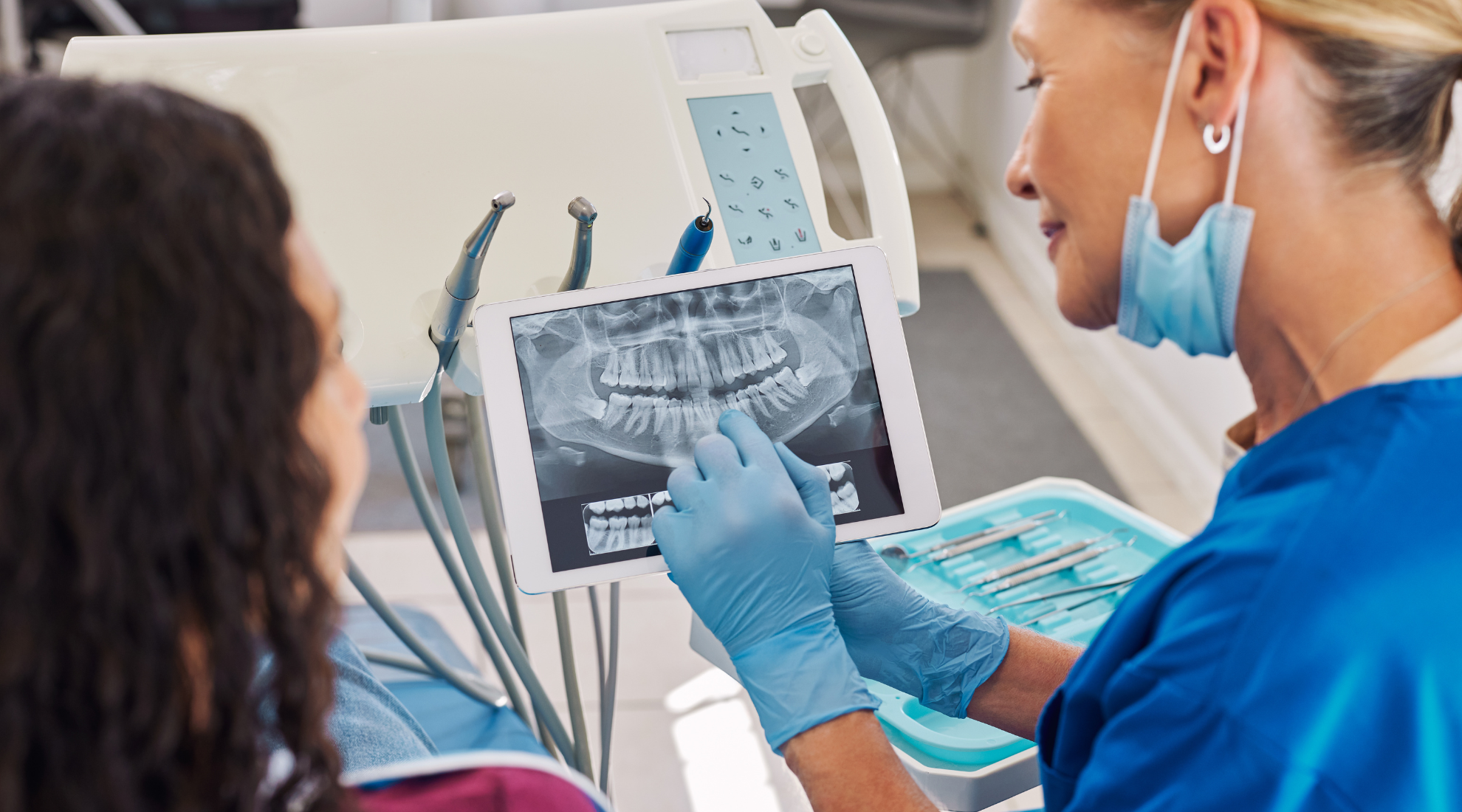
What's visible on the surface rarely tells the full story. An x-ray taken at age 7 can reveal concerns with jaw development, eruption paths and permanent tooth formation that won't become apparent for years. By then, the window for the simplest correction may have already closed.
Early evaluation also allows our specialists to identify habits — thumb sucking, mouth breathing, tongue thrusting — that quietly affect jaw balance and facial development over time. The earlier these are caught, the more predictable the outcome.
Your child's first evaluation at TriCity is free. Whatever we find, you'll leave knowing exactly where things stand.
What We're Looking For
An early orthodontic screening goes beyond what's visible. While a quick look may suggest everything is developing normally, x-rays can reveal concerns that aren't apparent on the surface — including:
-
Insufficient space for permanent teeth to erupt in the correct position.
-
Where upper and lower teeth don't meet properly, which can affect jaw development and facial symmetry over time.
-
Where the lower jaw protrudes beyond the upper, a concern that's significantly easier to address during periods of active growth.
-
Imbalances in upper and lower jaw development that influence both bite function and facial aesthetics.
-
Thumb sucking, tongue thrusting, and mouth breathing can all affect the balance between the jaws and the eruption of permanent teeth. Identifying and addressing these early restores physiologic balance at a stage when correction is most natural.
When Early Treatment Is — and Isn't — the Answer
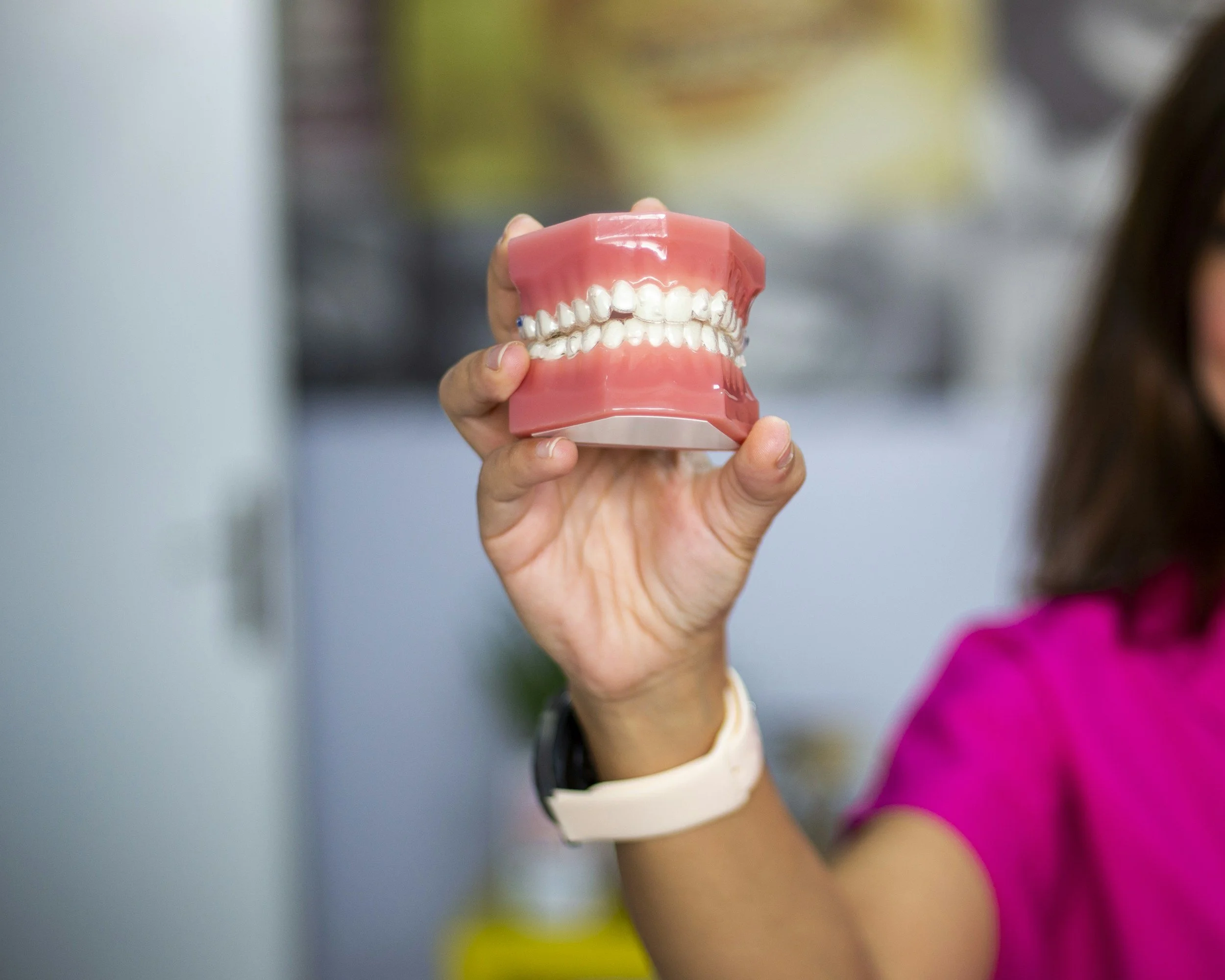
Early treatment isn't automatically the right course of action. Many orthodontic problems are corrected more efficiently and predictably during the adolescent years, when more permanent teeth have erupted and the clinical picture is complete. We'll tell you honestly if waiting serves your child better.
When early treatment is indicated, however, the benefits are significant. Addressing concerns during childhood — while the jaws are still actively growing — allows us to guide development in a way that simply isn't possible once growth is complete. The result is a more manageable Phase 2 treatment course, and in some cases, outcomes that wouldn't have been achievable by waiting.
If no treatment is needed now, we'll establish a monitoring schedule and keep track of your child's development at the intervals that matter — so nothing is missed and treatment begins at exactly the right time.

The Goals of Early Treatment
The objective of early orthodontic care is straightforward: to create the conditions for a functional bite, optimal jaw development, and a smile that lasts. We're not treating for appearance alone — we're setting the foundation for a lifetime of oral health and social confidence.
When we identify that early treatment will benefit your child, we'll explain exactly why, what it involves, and what it's expected to achieve. When we determine that waiting is the better clinical decision, we'll tell you that too — and we'll monitor carefully in the meantime.
The initial evaluation is free. Whatever the outcome, you'll leave with a clear and honest picture of where your child stands.
Seeking a Second Opinion?
If your child has been assessed by another orthodontist or dentist and the recommended treatment plan has left you uncertain, we welcome second opinion consultations. Our specialist orthodontists will review your child's records and findings thoroughly, and give you a complete, unbiased assessment — so you can make an informed decision with confidence.