

Why Do Teeth Shift as You Get Older? Understanding Tooth Movement
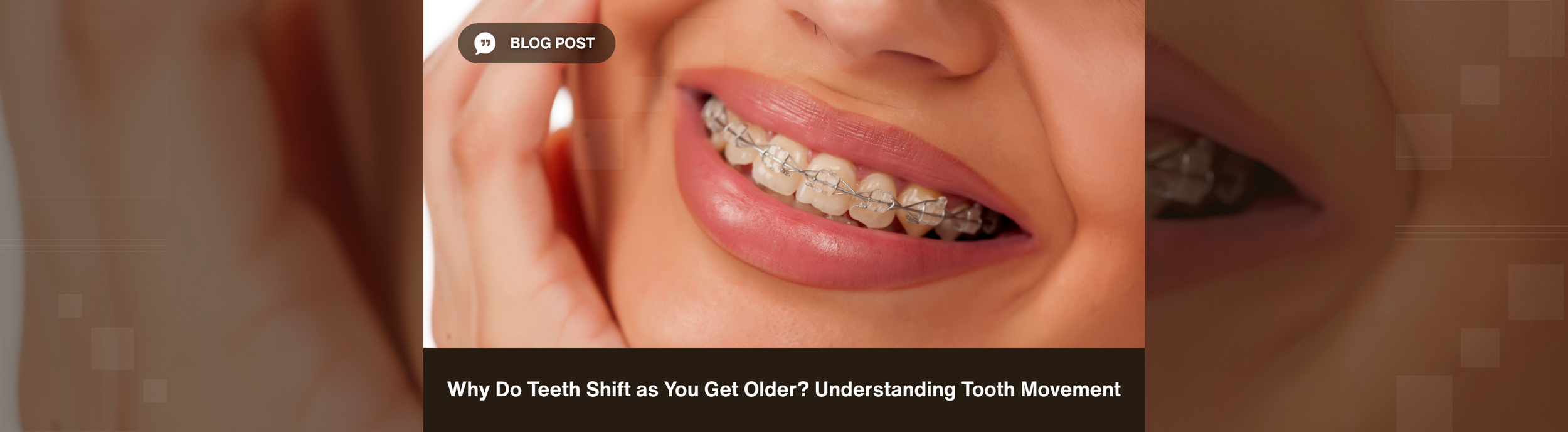
Have you noticed your teeth becoming more crowded or changing position over time? You’re not alone. Teeth can shift as you get older, even if you had braces or naturally straight teeth in the past.
Understanding why teeth move can help you protect your smile and know when it may be time to visit an orthodontist.
Why Do Teeth Shift?
Teeth are held in place by the bone and tissues surrounding them, but they aren’t completely immovable. Small changes can happen throughout your life.
Some common reasons teeth shift include:
1. Natural Aging
As we age, changes in the jaw, gums, and surrounding tissues can affect the position of our teeth. Gradual movement is particularly common in the lower front teeth.
2. Not Wearing Your Retainer
If you’ve had braces or clear aligner treatment, wearing your retainer as recommended is an important part of maintaining your results.
Teeth have a natural tendency to move after orthodontic treatment. Without a retainer, they may gradually shift from their corrected positions.
3. Changes in Your Bite
The way your upper and lower teeth meet can influence how forces are distributed throughout your mouth. Over time, these forces can contribute to changes in tooth position.
4. Changes to Your Teeth or Gums
Tooth loss, changes in the supporting bone, and certain gum conditions can affect the position of nearby teeth. Regular dental checkups can help identify these changes early.
Can You Prevent Your Teeth From Shifting?
You can’t always prevent natural tooth movement, but you can take steps to maintain your smile.
If you’ve had orthodontic treatment, wearing your retainer as instructed is one of the most important things you can do. Good brushing and flossing habits and regular dental visits are also important for keeping your teeth and gums healthy.
Can Shifted Teeth Be Straightened Again?
In many cases, teeth that have shifted can be moved back into a healthier or more aligned position. Treatment depends on the amount of movement and your individual orthodontic needs.
An orthodontist may recommend options such as clear aligners, braces, or a new retainer.
When Should You See an Orthodontist?
Consider scheduling an orthodontic evaluation if you notice:
● Increasing crowding or spacing
● Changes in your bite
● Teeth that have noticeably changed position
● A retainer that no longer fits properly
● Changes in your smile after completing orthodontic treatment
An orthodontist can assess your teeth and determine whether treatment is needed.
Keep Your Smile Moving in the Right Direction
Some tooth movement is a normal part of aging, but noticeable changes shouldn’t be ignored. Taking care of your teeth, wearing your retainer, and getting regular dental and orthodontic care can help you maintain your smile for years to come.
If you’ve noticed your teeth shifting, an orthodontic consultation can help you understand why it’s happening and what options may be available.
Ready to Find Out More?
If you've been putting off orthodontic treatment — or if you're simply curious about what modern braces actually look and feel like — your first consultation at TriCity Orthodontics costs nothing and commits you to nothing.
Our specialist orthodontists will assess your case thoroughly, walk you through your options, and give you an honest picture of what treatment would involve. Whatever you decide, you'll leave with the full picture.
